

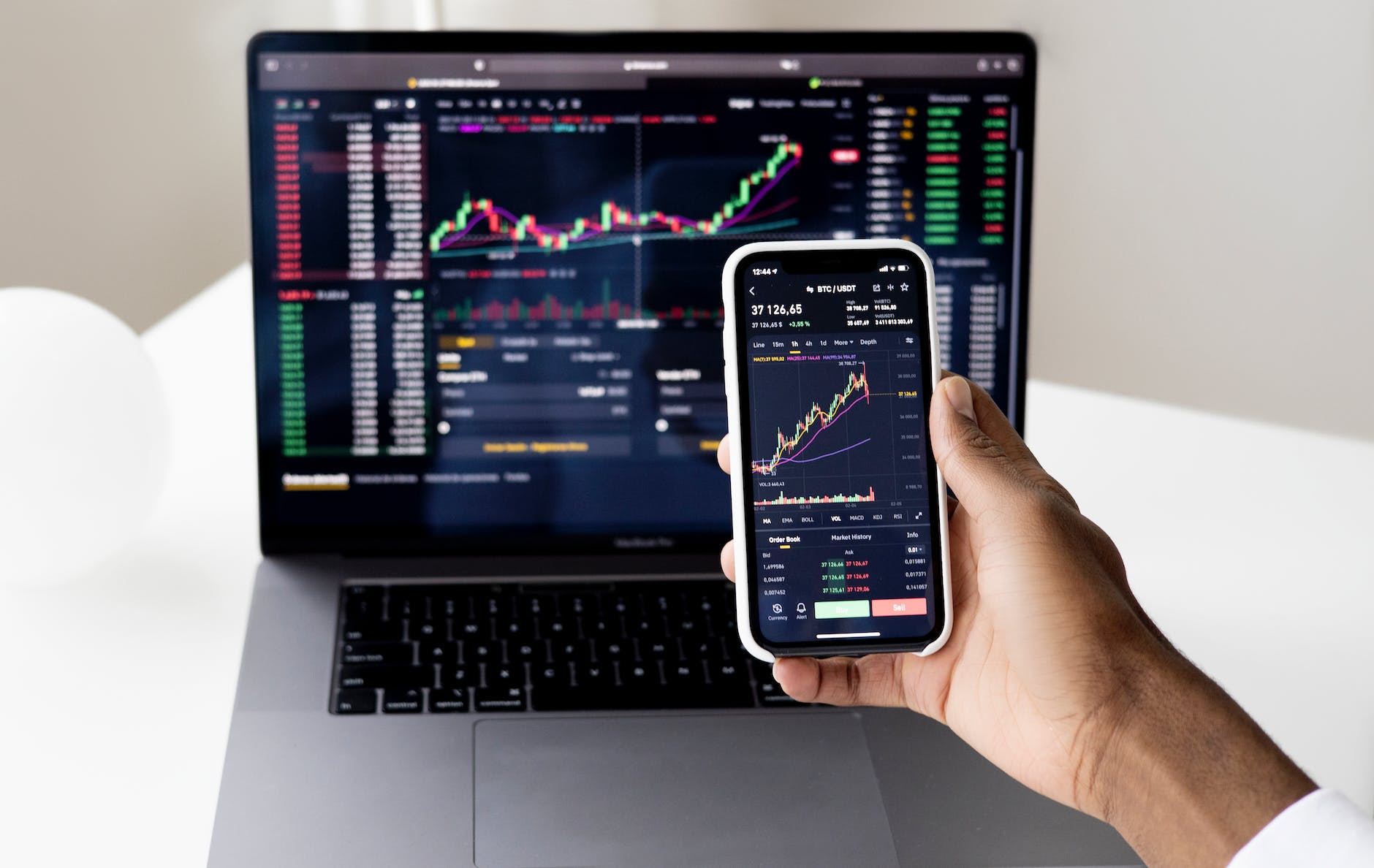
The year 2023 has so far been marked by significant financial events that have reshaped the global economy and left a lasting impact on various sectors. From technological advancements to geopolitical shifts, these events have shaped financial markets and influenced investment strategies worldwide.
In this article, we will explore the five biggest financial events of 2023, highlighting their significance and implications.
Read Also: 9 Reasons To Invest In Index Funds in 2023 and Beyond
Shaping The Market
Non-market events can have a significant impact on financial markets for several reasons. Non-market events such as political developments, natural disasters, or geopolitical tensions can create uncertainty and instability. Financial markets thrive on stability and predictability, so when unexpected events occur, investors may react by selling off assets or hedging their positions, leading to increased market volatility.
Moreover, non-market events can also prompt changes in government policies, regulations, or monetary decisions, which can directly impact financial markets. For instance, changes in interest rates, fiscal policies, or trade agreements can influence borrowing costs, consumption patterns, and profitability, thus affecting asset prices and market behavior.
In the half-year 2023, these are the events that have shaped the market remarkably as we head into the third quarter.:
1.The Unending Rise of Cryptocurrencies
Perhaps the most notable financial event of 2023 has been the continued rise of cryptocurrencies. Led by Bitcoin, Ethereum, and other major digital assets, cryptocurrencies have gained mainstream acceptance and adoption.
Several countries have implemented regulatory frameworks to provide clarity and security for investors, contributing to increased institutional participation.
The market capitalization of cryptocurrencies reached new highs, with institutional investors and corporations integrating digital assets into their portfolios. This surge in popularity has raised questions about the future of traditional banking and the potential for decentralized finance to disrupt established financial systems.
2. Economic Recovery Post-Pandemic
The period under review has so far witnessed a significant rebound in the global economy following the severe disruptions caused by the COVID-19 pandemic.
Vaccination campaigns and fiscal stimulus measures adopted by various governments accelerated the recovery process. Industries such as travel, hospitality, and entertainment, which were hit hard by the pandemic, experienced a resurgence as restrictions eased.
Stock markets reached record levels as investor confidence returned, and corporate earnings rebounded. However, concerns about inflation and supply chain disruptions emerged, posing challenges to the sustainability of the recovery.
3. Green Transition and Sustainable Investing
The push for sustainability and climate action gained substantial momentum in 2023. Governments and businesses worldwide made ambitious commitments to reduce carbon emissions and transition to renewable energy sources. As a result, sustainable investing gained significant traction, with investors increasingly considering environmental, social, and governance (ESG) factors in their decision-making.
Renewable energy stocks and green bonds attracted substantial investment, and companies faced increasing pressure to disclose their environmental impact and align with sustainable practices. This shift towards a greener economy brought new opportunities for investors and compelled industries to adapt to a changing landscape.
4.Geopolitical Developments
Geopolitical events have played a crucial role in shaping the financial landscape of 2023. Trade tensions between major economies, such as the United States and China, continued to impact global markets.
Governments pursued protectionist policies, resulting in trade disputes and the imposition of tariffs. The Brexit process reached its conclusion, with the United Kingdom officially severing its ties with the European Union. This separation brought economic and financial implications for both parties, affecting trade relations and financial markets.
Geopolitical developments created uncertainties and volatility, requiring investors to carefully assess risks and diversify their portfolios.
5. Technological Advancements
Technological innovations and advancements significantly influenced the financial sector in 2023. The emergence of artificial intelligence (AI), blockchain technology, and decentralized finance (DeFi) reshaped traditional banking and financial services. AI-powered algorithms and robo-advisors gained popularity, providing personalized financial recommendations to individuals.
Blockchain technology disrupted sectors such as supply chain management, logistics, and digital identities, offering transparency, security, and efficiency.
DeFi platforms enabled peer-to-peer lending, decentralized exchanges, and yield farming, revolutionizing traditional financial intermediation. These technological advancements opened new avenues for investment and posed challenges to traditional financial institutions.
Conclusion
The year 2023 has been characterized by several significant financial events that have impacted global markets and investment strategies. The rise of cryptocurrencies, the economic recovery post-pandemic, the green transition and sustainable investing, geopolitical developments, and technological advancements have been the five most prominent events.
Each of these events has introduced new dynamics, presenting opportunities and challenges for investors, businesses, and governments. Understanding and adapting to these changes will be crucial for navigating the financial landscape as the year progresses.
Recommended: Why Cryptocurrency Markets Are Looking Very Much Like Stock Markets In 2023

 Harrison Global Capital
4 thoughts on “Here Are The Biggest Five Financial Market Events So far in 2023”