Blog

HOW RIPPLE XRP BOUNCED BACK FROM SECURITIES AND EXCHANGE COMMISSION’S LITIGATION IN AUGUST 2023

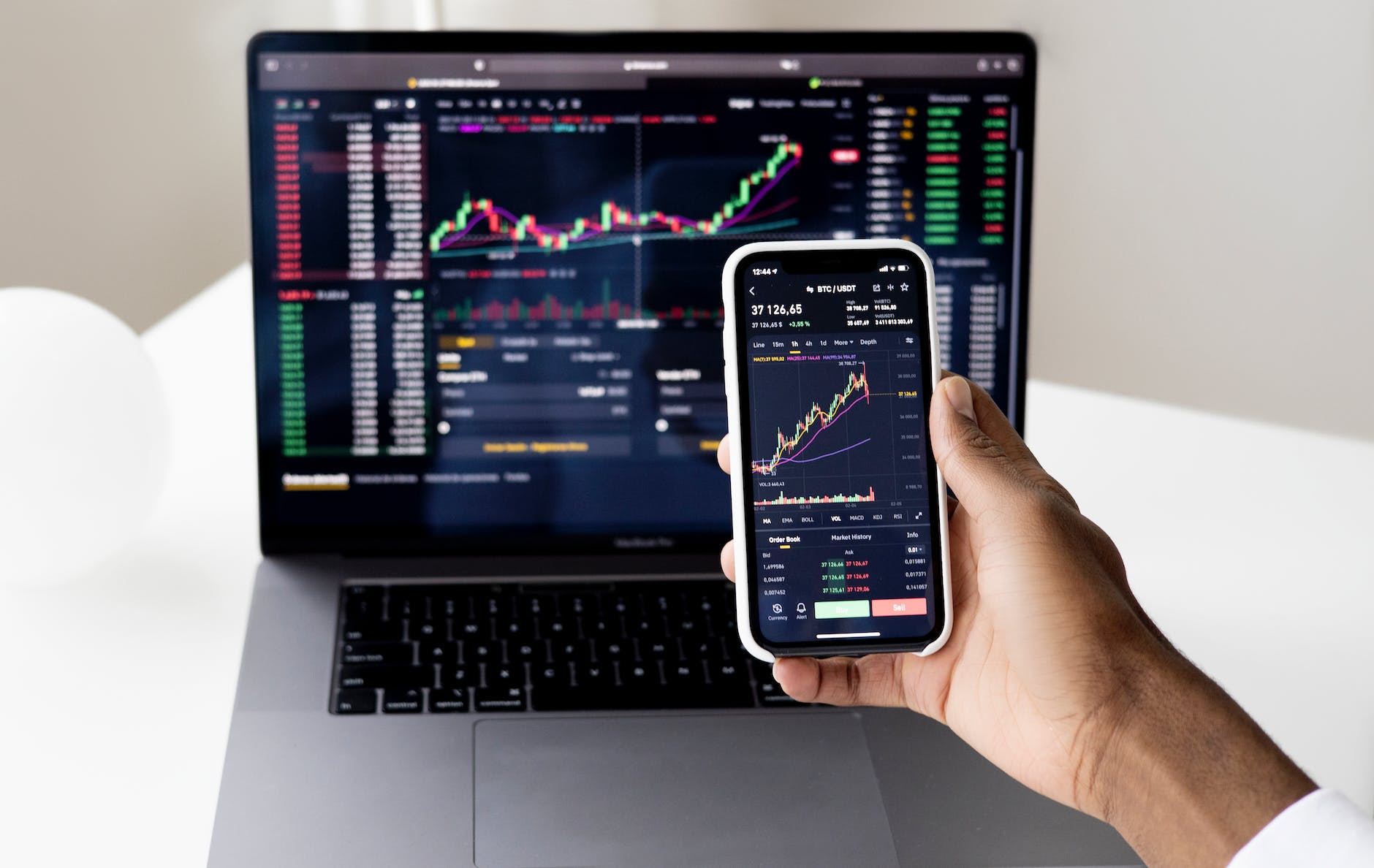
XRP won the court case against it by SEC. So far, the market price of XRP has seen a 80 percent leap that has brought resounding cheers to the market.

Photo by Towfiqu barbhuiya on Pexels.com

The SEC VS Ripple XRP Court Case

XRP recently recorded a favorable court ruling against the U.S. Securities and Exchange Commission (SEC). This decision was highly anticipated by many in the crypto community as it could have major implications for how digital assets are regulated in America going forward.

The issue at stake is whether XRP should be classified as a security under U.S law, which would require it to comply with federal securities regulations like other stocks and bonds do.

The SEC harped on the sales of billions of tokens to investors over several years by XRP to investors, thereby contravening the securities’ act. On its part Ripple maintained that since XRP has been used primarily for payments rather than investments then it should not be subject to SEC regulation as a security but instead treated more like currency or commodities such as gold and oil.

Ultimately Judge Sarah Netburn ruled in favor of Ripple stating that “there is no reason why [XRPs] economic reality must align with [the SECs] definition” thus allowing them some breathing room from strict regulatory oversight while still being able to operate legally within US borders.

While this ruling may seem small now, it could potentially set precedent for future cases involving cryptocurrencies across America if similar decisions are made down the line by other courts when faced with similar questions regarding asset classification.

Who is Judge Netburn?

Judge Sarah Netburn is a United States District Judge who was assigned to preside over the ongoing Securities and Exchange Commission (SEC) vs Ripple (XRP) case. Her role is to oversee the legal proceedings and make a final judgment based on the evidence presented by both parties.

SEC’s Case Against Ripple XRP

In the ongoing XRP case, the SEC (U.S. Securities and Exchange Commission) has accused Ripple, the company behind XRP, of conducting an unregistered securities offering worth $1.3 billion. The SEC alleges that Ripple’s sale of XRP tokens constitutes an investment contract and therefore should have been registered with the agency.

The SEC also claims that Ripple’s executives, including CEO Brad Garlinghouse and co-founder Chris Larsen, personally profited from the sale of XRP. Ripple has denied the allegations and argues that XRP is a currency rather than a security. The case is currently being heard in court, with Judge Sarah Netburn presiding over the proceedings.

How Ripple Defended its Stance

Ripple’s defense in the XRP case is that XRP is not a security but rather a currency or digital asset. Ripple argues that XRP is not an investment contract and therefore not subject to the same regulations as securities.

Ripple also claims that the SEC did not provide clear guidance on the status of XRP as a security for many years, leading to confusion in the market. Additionally, Ripple claims that the SEC’s actions have caused harm to XRP holders and the market. The trial Judge has ruled in favor of XRP and SEC has now moved on to appeal the case.

Recommended: The Price Volatility of Bitcoin and Cryptocurrencies Explained

Ripple XRP Sees a new Price Rally

XRP price leapt by 80 percent in the wake of the recent court case against it by SEC. With the case outcome considered to be favorable by the market, the crypto looks set for a new high. Whether this will be sustained, is a different ballgame altogether.  

Factors that can drive a rice rally includes the following:

Market Sentiment: Positive news, developments, partnerships, or regulatory clarity can significantly influence market sentiment, leading to increased demand for a cryptocurrency.

Adoption and Use Cases: Increased adoption and real-world use cases can boost the value of a cryptocurrency. If XRP gains traction as a preferred means of cross-border payments and other financial services, its price could rise.

Technological Developments: Advances in the technology behind a cryptocurrency can enhance its utility and security, attracting more investors and users.

Market Speculation: Speculative trading can lead to rapid price increases. Traders looking to profit from short-term price movements can create volatility in the market.

Macroeconomic Factors: Economic events, such as inflation concerns, currency devaluation, or geopolitical tensions, can drive investors toward cryptocurrencies as alternative assets.

Impact of Price Rallies

The effect of a price rally on the prospects of a cryptocurrency like XRP depends on various factors:

Positive Effects: A price rally can attract more attention, new investors, and increased adoption. It can also validate the utility of the cryptocurrency’s technology and use cases.

Negative Effects: Rapid price increases can also lead to concerns about market manipulation, excessive speculation, and a potential bubble. If the rally is not supported by fundamental improvements in technology and adoption, it could lead to a sharp price correction.

Regulatory Impact: Some price rallies might prompt regulatory scrutiny, especially if the rally appears disconnected from the actual utility of the cryptocurrency. Regulatory actions could impact the cryptocurrency’s prospects.

Long-Term Viability: For sustainable growth, a cryptocurrency’s price should ideally be supported by its real-world use cases, technological advancements, and a strong community. Price volatility without underlying substance could hinder long-term prospects.

TAKEWAYS

Keep in mind that the cryptocurrency market is highly speculative and can be influenced by a wide range of factors. To understand the specific factors leading the new XRP price rally and its potential implications, it’s best to refer to the most current and credible sources of information, as a series of events are still unfolding.

Read Also: How Flare’s Smart Contract Possibilities is Giving XRP A New Marketplace Leap

Where Legit Profit Hunters Can Bag The Best Returns on Investment in The Remaining Portion of 2023

The changing global clime brings along with it the uncertainties that make investors think twice about committing investible funds. Here is a closer look at options to explore.

Photo by Nataliya Vaitkevich on Pexels.com

It’s important to note that the best returns in any given year can vary significantly and are influenced by factors such as economic conditions, market trends, geopolitical events, and sector performance. Predicting which investment type will provide the best returns in a specific year is challenging and often subject to uncertainty.

To make informed investment decisions, it’s advisable to consider factors such as your financial goals, risk tolerance, investment horizon, and diversification. Diversifying your portfolio across different asset classes, including a mix of fixed interest and variable returns investments, can help manage risk and potentially enhance returns over the long term.

What are Fixed Interest Portfolios?

 Fixed interest portfolios typically include investments such as bonds, certificates of deposit (CDs), and Treasury bills. These investments offer a fixed rate of return over a specific period. The returns are predictable and stable, making fixed interest portfolios suitable for conservative investors who prioritize capital preservation and steady income.

What are Variable Returns Portfolios?

 Variable returns portfolios, on the other hand, typically involve investments in assets like stocks, mutual funds, exchange-traded funds (ETFs), or real estate. These investments can provide higher potential returns compared to fixed interest investments, but they also come with higher volatility and risk. Variable returns portfolios are more suitable for investors with a longer time horizon and a higher tolerance for risk.

ETFs VS Treasury Bills, which is Best for income streams?

When comparing ETFs (Exchange-Traded Funds) and Treasury bills for generating income streams, there are several factors to consider.

ETFs

ETFs are investment funds that are traded on stock exchanges, like individual stocks. They typically hold a diversified portfolio of underlying assets such as stocks, bonds, or commodities. ETFs can provide income streams in two ways:

Dividends: Many ETFs distribute dividends to their shareholders, which are a portion of the income generated by the underlying assets held in the fund. Dividend payments can vary depending on the performance of the assets and the fund’s distribution policy.

Capital Gains: When you sell ETF shares at a profit, you may realize capital gains, which can contribute to your income stream. However, capital gains are not guaranteed, and depend on the performance of the ETF.

Treasury Bills

Treasury bills, also known as T-bills, are short-term debt instruments issued by governments to fund their operations. They are considered low-risk investments and are often used for capital preservation. T-bills provide income through interest payments. Here are a few points to consider:

Fixed Interest Payments: T-bills have a fixed interest rate determined at the time of issuance. The interest is paid to the investor when the bill matures. The income stream from T-bills is stable and predictable.

Low Risk: T-bills are considered low-risk investments because they are backed by the government. However, the trade-off for this safety is that T-bills typically offer lower returns compared to riskier investments.

Making A Decision

Choosing the best option for income streams between ETFs and Treasury bills depends on your individual circumstances, risk tolerance, and investment goals. Here are some considerations:

Risk Appetite: If you prioritize capital preservation and are risk-averse, Treasury bills may be a suitable choice. ETFs, on the other hand, carry market risk and may experience fluctuations in value.

Yield Requirements: If you require higher income potential and are willing to accept higher risk, ETFs may offer the possibility of greater returns through dividends and capital gains. T-bills, while at a lower risk, may have lower yields.

Diversification: ETFs can provide exposure to a variety of asset classes, sectors, or regions, allowing for greater diversification compared to T-bills, which are focused solely on government debt.

CDs VS Mutual Fund, Which is Best Fit for Capital Appreciation


When comparing CDs (Certificates of Deposit) and mutual funds for capital appreciation, there are a few key factors to consider.

Certificate of Deposit

 CDs are fixed-term deposits offered by banks and credit unions. They provide a predetermined interest rate over a specific period, typically ranging from a few months to several years. Here are some points to consider regarding capital appreciation:

Fixed Interest: CDs offer a fixed interest rate that remains constant throughout the term of the deposit. The interest earned is lower compared to other investment options, such as mutual funds.

Principal Protection: CDs are considered low-risk investments since they are insured by the FDIC (Federal Deposit Insurance Corporation) in the United States, up to certain limits. This means that the principal amount invested is safe.

Also Read: 9 Reasons To Invest In Index Funds in 2023 and Beyond

Mutual Funds

Mutual funds are investment vehicles that pool money from multiple investors to invest in a diversified portfolio of securities, such as stocks, bonds, or a combination of both. Here are some points to consider regarding capital appreciation:

Market Participation: Mutual funds offer the potential for capital appreciation through the performance of the underlying securities held within the fund. The returns of mutual funds are influenced by the market and can fluctuate.

Diversification: Mutual funds provide investors with the opportunity to invest in a diversified portfolio of securities, which can help spread risk and potentially enhance capital appreciation.

Professional Management: Mutual funds are typically managed by professional fund managers who make investment decisions on behalf of the investors. Their expertise and active management can potentially contribute to capital appreciation.

It’s important to note that mutual funds carry market risk, and there are no guarantees of capital appreciation. The returns of mutual funds can vary widely depending on the performance of the underlying securities and the market conditions.

In terms of capital appreciation potential, mutual funds offer higher growth potential compared to CDs. However, this comes with increased risk and the possibility of fluctuating returns.

Takeaway!

When making investment decisions, it’s crucial to consider your investment goals, risk tolerance, and time horizon. If capital appreciation is your primary objective and you are willing to accept market risk, mutual funds may be a better choice. However, if capital preservation and lower risk are your priorities, CDs may be more suitable.

It’s always advisable to consult with a financial advisor who can evaluate your specific circumstances and provide personalized recommendations based on your investment objectives and risk tolerance.

Recommended: Why Cryptocurrency Markets Are Looking Very Much Like Stock Markets In 2023

Here Are The Biggest Five Financial Market Events So far in 2023

Financial markets are shaped by non -market and market events. IN the half-year 2023, here are the events that have made the most impact.

Photo by Anna Nekrashevich on Pexels.com

The year 2023 has so far been marked by significant financial events that have reshaped the global economy and left a lasting impact on various sectors. From technological advancements to geopolitical shifts, these events have shaped financial markets and influenced investment strategies worldwide.

In this article, we will explore the five biggest financial events of 2023, highlighting their significance and implications.

Read Also: 9 Reasons To Invest In Index Funds in 2023 and Beyond

Shaping The Market

Non-market events can have a significant impact on financial markets for several reasons. Non-market events such as political developments, natural disasters, or geopolitical tensions can create uncertainty and instability. Financial markets thrive on stability and predictability, so when unexpected events occur, investors may react by selling off assets or hedging their positions, leading to increased market volatility.

Moreover, non-market events can also prompt changes in government policies, regulations, or monetary decisions, which can directly impact financial markets. For instance, changes in interest rates, fiscal policies, or trade agreements can influence borrowing costs, consumption patterns, and profitability, thus affecting asset prices and market behavior.

In the half-year 2023, these are the events that have shaped the market remarkably as we head into the third quarter.:

1.The Unending Rise of Cryptocurrencies

Perhaps the most notable financial event of 2023 has been the continued rise of cryptocurrencies. Led by Bitcoin, Ethereum, and other major digital assets, cryptocurrencies have gained mainstream acceptance and adoption.

Several countries have implemented regulatory frameworks to provide clarity and security for investors, contributing to increased institutional participation.

The market capitalization of cryptocurrencies reached new highs, with institutional investors and corporations integrating digital assets into their portfolios. This surge in popularity has raised questions about the future of traditional banking and the potential for decentralized finance to disrupt established financial systems.

2. Economic Recovery Post-Pandemic

The period under review has so far witnessed a significant rebound in the global economy following the severe disruptions caused by the COVID-19 pandemic.

Vaccination campaigns and fiscal stimulus measures adopted by various governments accelerated the recovery process. Industries such as travel, hospitality, and entertainment, which were hit hard by the pandemic, experienced a resurgence as restrictions eased.

Stock markets reached record levels as investor confidence returned, and corporate earnings rebounded. However, concerns about inflation and supply chain disruptions emerged, posing challenges to the sustainability of the recovery.

3. Green Transition and Sustainable Investing

The push for sustainability and climate action gained substantial momentum in 2023. Governments and businesses worldwide made ambitious commitments to reduce carbon emissions and transition to renewable energy sources. As a result, sustainable investing gained significant traction, with investors increasingly considering environmental, social, and governance (ESG) factors in their decision-making.

Renewable energy stocks and green bonds attracted substantial investment, and companies faced increasing pressure to disclose their environmental impact and align with sustainable practices. This shift towards a greener economy brought new opportunities for investors and compelled industries to adapt to a changing landscape.

4.Geopolitical Developments

Geopolitical events have played a crucial role in shaping the financial landscape of 2023. Trade tensions between major economies, such as the United States and China, continued to impact global markets.

Governments pursued protectionist policies, resulting in trade disputes and the imposition of tariffs. The Brexit process reached its conclusion, with the United Kingdom officially severing its ties with the European Union. This separation brought economic and financial implications for both parties, affecting trade relations and financial markets.

Geopolitical developments created uncertainties and volatility, requiring investors to carefully assess risks and diversify their portfolios.

5. Technological Advancements

Technological innovations and advancements significantly influenced the financial sector in 2023. The emergence of artificial intelligence (AI), blockchain technology, and decentralized finance (DeFi) reshaped traditional banking and financial services. AI-powered algorithms and robo-advisors gained popularity, providing personalized financial recommendations to individuals.

Blockchain technology disrupted sectors such as supply chain management, logistics, and digital identities, offering transparency, security, and efficiency.

DeFi platforms enabled peer-to-peer lending, decentralized exchanges, and yield farming, revolutionizing traditional financial intermediation. These technological advancements opened new avenues for investment and posed challenges to traditional financial institutions.

Conclusion

The year 2023 has been characterized by several significant financial events that have impacted global markets and investment strategies. The rise of cryptocurrencies, the economic recovery post-pandemic, the green transition and sustainable investing, geopolitical developments, and technological advancements have been the five most prominent events.

Each of these events has introduced new dynamics, presenting opportunities and challenges for investors, businesses, and governments. Understanding and adapting to these changes will be crucial for navigating the financial landscape as the year progresses.

Recommended: Why Cryptocurrency Markets Are Looking Very Much Like Stock Markets In 2023

9 Reasons To Invest In Index Funds in 2023 and Beyond

Index funds are baskets of investment that mirror specific market indexes. Index fund investing gives the investor an average return rate that replicates the performance of the market.

Photo by Pixabay on Pexels.com

Index funds are a type of mutual fund or exchange-traded fund (ETF) that aims to replicate the performance of a specific market index, such as the S&P 500 or the Dow Jones Industrial Average.

These funds are designed to provide broad market exposure and are passively managed, meaning they seek to match the performance of the index they track rather than actively selecting individual securities. Index funds are popular among investors due to their low costs and potential for consistent returns.

Read Also: Is there a Future for Stablecoins?

Why Index Funds?

By investing in an index fund, individuals gain exposure to a diversified portfolio of stocks or other assets included in the underlying index. This diversification helps spread the investment risk across multiple companies, sectors, or asset classes.

The primary advantage of index funds is their passive management style, which typically results in lower expense ratios compared to actively managed funds. This means that investors keep more of their investment returns, as less is spent on fund management fees. Furthermore, index funds tend to have lower portfolio turnover, reducing transaction costs and potential tax implications.

While index funds aim to replicate the performance of the index, they may not perfectly match it due to factors like tracking error and fund expenses. However, over the long term, they have historically delivered competitive returns that closely mirror the performance of the underlying index.

Overall, index funds offer a straightforward and cost-effective way for investors to participate in the broader market, providing diversification, potentially lower costs, and a long-term investment approach. Investing in index funds can be a smart strategy for long-term growth and optimal returns. Index funds offer a diversified portfolio of stocks or bonds that track a specific market index, such as the S&P 500.

Here are some key considerations and strategies to help you maximize your returns when investing in index funds.

Read Also: Self-Directed IRAs and How They Work

1.Understand Index Fund Basics: Start by understanding the fundamentals of index funds. They are passively managed, which means they aim to replicate the performance of an underlying index rather than trying to outperform it. This approach generally results in lower fees compared to actively managed funds.

2.Determine Your Investment Goals: Clearly define your investment goals before you start investing. Are you saving for retirement, a down payment on a house, or a child’s education? Your goals will help determine your investment horizon and risk tolerance.

3.Choose a Broad Market Index: Consider investing in a broad-based index fund that tracks the overall market or a specific sector. Examples include S&P 500, Nasdaq Composite, or total market index funds. Broad market index funds provide exposure to a wide range of companies and industries, reducing the risk associated with investing in individual stocks.

4. Focus on Low Expense Ratios: Look for index funds with low expense ratios. These fees can significantly impact your returns over time. Compare expense ratios across different index funds and choose those with the lowest costs. Generally, passively managed index funds have lower expense ratios compared to actively managed funds.

5. Consider ETFs or Mutual Funds: Index funds are available in two primary formats: exchange-traded funds (ETFs) and mutual funds. ETFs trade like stocks on exchanges, while mutual funds are bought and sold at the end of the trading day at the net asset value (NAV). Consider the liquidity, cost structure, and tax efficiency of each option before making a decision.

6. Dollar-Cost Averaging: Rather than investing a lump sum, consider employing a dollar-cost averaging strategy. Invest a fixed amount at regular intervals, regardless of market conditions. This approach allows you to buy more shares when prices are low and fewer shares when prices are high, potentially reducing the impact of market volatility.

7. Rebalance Periodically: Over time, the performance of individual stocks within an index can vary, causing your portfolio allocation to deviate from your desired asset allocation. Periodically rebalance your portfolio by selling overweight positions and buying underweight positions. This helps maintain your desired risk level and can enhance returns.

8. Avoid Emotional Decision-Making: Investing in index funds is a long-term strategy. Avoid making impulsive decisions based on short-term market movements or headlines. Stay focused on your investment goals and maintain a disciplined approach.

9. Tax Efficiency: Index funds are generally tax-efficient due to their passive management style. However, consider holding index funds in tax-advantaged accounts like Individual Retirement Accounts (IRAs) or 401(k)s to further minimize tax implications. Consult with a tax professional to understand the specific tax advantages and implications in your jurisdiction.

Summary

While index funds provide diversification within a specific asset class, consider diversifying across asset classes. This can include investing in bond index funds, international index funds, or real estate investment trusts (REITs). Diversification across asset classes can help reduce overall portfolio risk.

Remember, investing in index funds is a long-term strategy that requires patience and discipline. Monitor your investments periodically but avoid making frequent changes based on short-term market fluctuations. By following these strategies and staying committed to your investment plan, you can optimize your returns and achieve your financial goals over time.

Recommended: How to make Money in a Crypto market Bull Run

Is There a Future for Stablecoins?

Stablecons have the dual utility of cryptocurrencies and safety provided by fiat currencies. The ease of digital usage is a remarkable bright spot.

Photo by Alesia Kozik on Pexels.com

Stablecoins are a type of cryptocurrency that are designed to maintain a stable value relative to another asset, such as a fiat currency like the US dollar or a commodity like gold.

There are several types of stablecoins, including those that are backed by reserves of the underlying asset, those that are backed by a basket of assets, and those that use algorithms to maintain a stable value.

The Argument for Stablecoins

The primary reason for the development of stablecoins is to address the issue of volatility that is inherent in many cryptocurrencies. Unlike fiat currencies, which are backed by a central government and maintain a relatively stable value, cryptocurrencies are decentralized and subject to market forces that can cause their values to fluctuate rapidly.

Stablecoins are designed to provide the benefits of cryptocurrencies, such as fast and cheap cross-border transactions and increased privacy, while also addressing the issue of volatility. They achieve this by pegging their value to another asset, such as a fiat currency or a commodity like gold, thereby maintaining a stable value relative to that asset.

Stablecoins can be particularly useful for individuals and businesses looking to transact in cryptocurrencies but who are concerned about the volatility of other cryptocurrencies. If a business wants to accept cryptocurrency payments but doesn’t want to be exposed to the risk of a sudden drop in value, they could choose to accept payments in a stablecoin with a fiat currency peg.

Stablecoins can also be useful for individuals in countries with unstable currencies who are looking for a more stable store of value. By using stablecoins, these individuals can protect themselves against the inflation and currency fluctuations that can occur in their local currency. It is important to note the following:

-Overall, stablecoins provide a way for individuals and businesses to transact in cryptocurrencies while minimizing the risk of volatility

-Stablecoins have gained popularity in recent years, as they provide a way for cryptocurrency users to hedge against the volatility of other cryptocurrencies.

-They also offer a way for individuals and businesses to transact in cryptocurrencies without being exposed to the same level of risk.

Read Also: How Cryptocurrencies Finds Relevance in Islamic Banking

Regulation and Stablecoins


Regulatory actions can potentially pose a threat to stablecoins, as they may create uncertainty and reduce the level of trust in these cryptocurrencies. Stablecoins, like other cryptocurrencies, exist in a relatively unregulated space, which can make them vulnerable to regulatory action by governments and financial institutions. Also, the risk of nefarious usage still looms large.

Governments and financial institutions may therefore seek to regulate stablecoins to prevent these types of activities. For example, they may require stablecoin issuers to comply with anti-money laundering (AML) and know-your-customer (KYC) regulations, or they may restrict the use of stablecoins in certain jurisdictions.

Notably, stablecoins that are pegged to a fiat currency may be subject to regulations governing the issuance and exchange of that currency. This could potentially limit the ability of stablecoin issuers to operate in certain jurisdictions or restrict the types of assets that can be used to back the stablecoin.

However, it is important to note that regulatory actions may not necessarily be a threat to stablecoins in the long term. In fact, some level of regulation may increase trust and adoption of stablecoins by providing a clear legal framework and reducing the risk of fraudulent activities.

Moreover, some stablecoin issuers have already taken steps to comply with AML/KYC regulations and other regulatory requirements to operate in a compliant manner.

Recommended: How NFTs and Cryptocurrencies Are Making Inroads Globally

Outlook

In terms of their future, it is likely that stablecoins will continue to play a significant role in the cryptocurrency market. As the adoption of cryptocurrencies grows, there will be an increasing demand for stablecoins as a means of transacting in a stable currency.

Stablecoins offer several advantages over traditional fiat currencies, such as faster settlement times and lower transaction fees. This could make them an attractive option for businesses and individuals looking to transact across borders or in regions with unstable currencies.

The regulatory landscape surrounding stablecoins is still developing, and there are concerns around the potential for stablecoins to be used for money laundering and other illicit activities. It remains to be seen how regulators will address these concerns and what impact this will have on the future of stablecoins.

In summary, regulatory actions may pose a short-term threat to stablecoins, but in the long term, they may help to increase the level of trust and adoption of these cryptocurrencies.

Also Read: Why Cryptocurrency Markets Are Looking Very Much Like Stock Markets In 2023