Here Are 3 Leading Gaming Cryptocurrencies That Could Yield High ROI

The recent surge in gaming and NFT-related cryptocurrencies like Axie Infinity (AXS), Decentraland (MANA), and Enjin Coin (ENJ) has drawn attention. The prices of these tokens are influenced by factors such as platform adoption, utility within the ecosystems, and market sentiment. However, investing in cryptocurrencies requires thorough research and risk assessment due to their volatile and speculative nature.

Photo by RDNE Stock project on Pexels.com

In recent weeks, some cryptocurrencies associated with gaming and NFTs have gained attention with their rapid price gains. Projects like Axie Infinity (AXS), Decentraland (MANA), and Enjin Coin (ENJ) have been notable in the gaming and blockchain space.

However, I strongly advise conducting thorough research and due diligence before investing in any cryptocurrency, as the market is highly volatile and speculative.

Read: These Are Four of The Most Promising AI Cryptocurrencies in 2024

Axie Infinity

Yes, there have been price fluctuations in the performance of Axie Infinity (AXS). Axie Infinity is a blockchain-based game that has gained significant popularity and attention in recent years. As with any cryptocurrency or digital asset, the price of AXS can be subject to volatility and fluctuations in response to various factors.

The price performance of AXS has been characterized by periods of both growth and decline. Since its launch, AXS has experienced significant price increases, reaching all-time highs at certain points. However, it is important to note that cryptocurrency prices can be highly volatile, and past performance is not indicative of future results.

The utility of AXS within the Axie Infinity ecosystem is an important factor that can influence its price. AXS serves as the governance token of the Axie Infinity platform, allowing holders to participate in key decision-making processes and earn rewards. It is used for activities such as staking, participating in governance votes, and earning a share of the platform’s revenue.

The demand for AXS can be influenced by various factors, including the popularity and growth of the Axie Infinity game, the development of new features and updates, partnerships and collaborations, and overall market sentiment towards cryptocurrencies and blockchain-based projects.

It is worth noting that the cryptocurrency market as a whole can be influenced by external factors such as regulatory developments, market trends, investor sentiment, and macroeconomic conditions. These factors can contribute to price fluctuations in AXS and other cryptocurrencies.

Decentraland (MANA)

Decentraland (MANA) is a virtual reality platform built on the Ethereum blockchain that allows users to create, experience, and monetize content and applications within a virtual world. It aims to bring the concept of the metaverse into reality, providing users with ownership of their digital assets and a decentralized platform for social interactions and experiences.

The price levels of MANA can be influenced by various factors. One key factor is the adoption and popularity of the Decentraland platform. As more users join the platform and engage in activities such as purchasing virtual land, trading virtual goods, and participating in the ecosystem, the demand for MANA may increase, potentially leading to price appreciation.

Additionally, developments and updates to the platform, partnerships, and collaborations can also impact the price of MANA. The utility of MANA within the Decentraland ecosystem is significant. MANA serves as the native token of the platform and is used for various purposes.

Firstly, it is used to acquire virtual land parcels known as LAND. These parcels can be bought, sold, and developed by users, allowing them to create unique experiences and monetize their creations. MANA is also used to purchase virtual goods and services within the Decentraland marketplace, including avatars, wearables, and names.

Furthermore, MANA holders have the ability to participate in the governance of Decentraland through a decentralized autonomous organization (DAO). MANA holders can vote on policy updates, subsidies for new projects, and land auctions, giving them a say in the platform’s development and direction.

It is important to note that the price of MANA, like any cryptocurrency, can be subject to volatility and market fluctuations. Factors such as overall market sentiment, regulatory developments, and investor demand for cryptocurrencies can also impact the price levels of MANA.

Enjin Coin (ENJ)

Enjin Coin (ENJ) is a cryptocurrency that has been gaining popularity for several reasons. Enjin Coin is specifically designed for the gaming industry, aiming to be the most usable cryptocurrency for the sector

Enjin, the company behind the coin, is a leading gaming community platform with millions of registered gamers. The project includes software development kits (SDKs) that developers can integrate into their games and communities, allowing for the seamless integration of blockchain technology This use case has attracted attention from both gamers and investors.

Enjin Coin has found a use case in the development of non-fungible tokens (NFTs) . NFTs are unique digital assets that can represent ownership of in-game items, virtual goods, and collectibles.

With the growing popularity of NFTs, Enjin Coin’s focus on the gaming industry positions it well to benefit from this trend . The integration of Enjin’s technology by companies like Microsoft, Samsung, and BMW further validates its potential .

Some analysts and experts believe that Enjin Coin has the potential for long-term growth.. Additionally, Enjin Coin’s official website quotes a potential surge in price by the end of 2030.

However, it’s important to note that cryptocurrency investments are highly volatile and speculative, and it’s crucial to conduct thorough research and consider personal risk tolerance before investing.

Enjin Coin offers multiple use cases beyond gaming. It is built on the Ethereum network as an ERC-20 token, enabling it to be used in various decentralized applications (dApps) and platforms within the broader blockchain ecosystem. This versatility adds to its appeal and potential value.

Enjin Coin is relatively popular and widely available for trading on various cryptocurrency exchanges, including Coinbase, KuCoin, and Crypto.com. This accessibility makes it easier for investors to buy and sell Enjin Coin.

Last Lines

While the market price of any cryptocurrency cannot be accurately predicted, the bull market makes it possible for an investor to earn incredible ROI. But the Bull Run never lasts forever, and in no time, the bears will take over the scene.

Despite the fluctuations in crypto price, an investor can earn some gains by applying risk-mitigating tools like stop-limit and stop loss mechanisms.

Must-Read: Bitcoin Market Summary for 2023: Navigating Volatility and Innovation

Bitcoin Market Summary for 2023: Navigating Volatility and Innovation

Bitcoin has witnessed a remarkable 2023 with its price surge drawing attention from global market experts. What is in store n 2024 for the crypto market leader?

Photo by Moose Photos on Pexels.com

The year 2023 has been marked by both challenges and opportunities for the Bitcoin market, reflecting the dynamic nature of the cryptocurrency space. As the flagship digital currency, Bitcoin has continued to capture attention from investors, institutions, and the broader public, playing a pivotal role in shaping the evolving landscape of decentralized finance.

Price Volatility: Bitcoin, known for its price volatility, has experienced fluctuations throughout 2023. Market sentiment has been influenced by a myriad of factors, including regulatory developments, macroeconomic trends, and technological advancements. The price has shown resilience amid uncertainties but has also faced periodic corrections, underscoring the inherent risk in the crypto market.

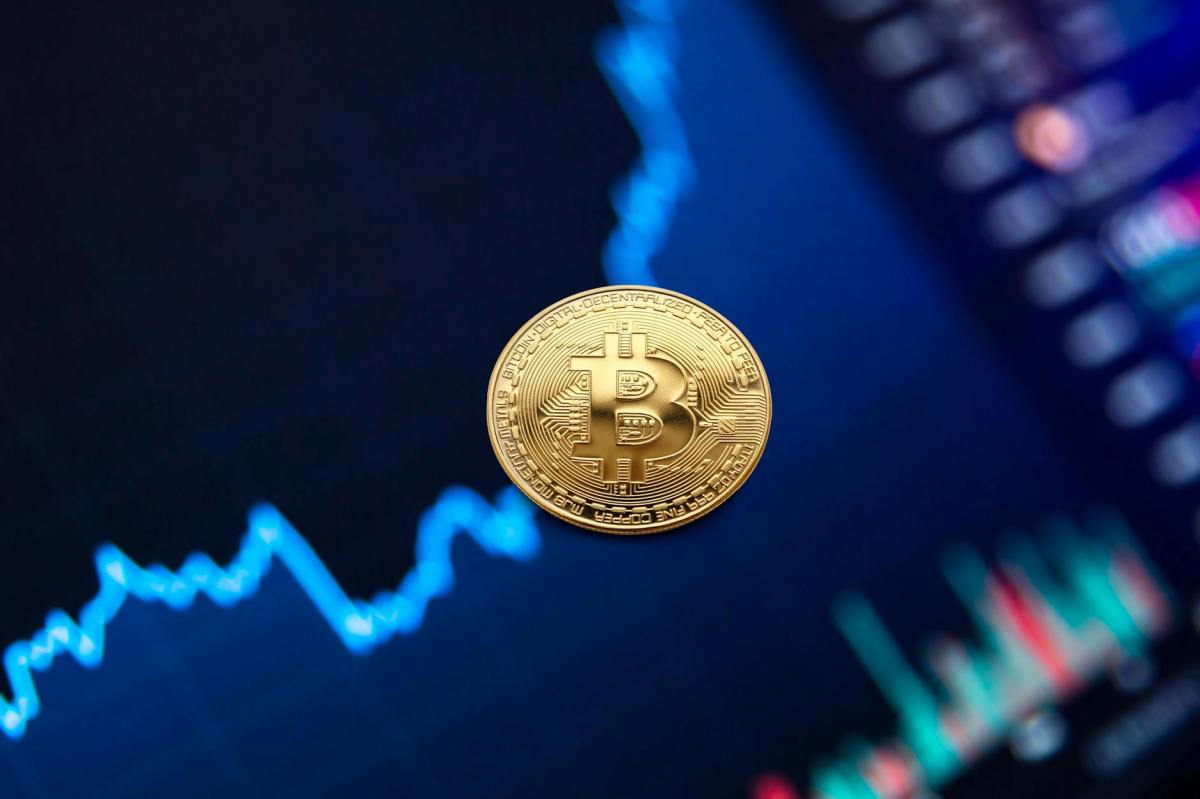
Bitcoin has doubled its price height of about $21,000 in 2022 to close the 2023 season at above $40,000. While some people point at the forthcoming halving coming up in April 2024, other events have played significant roles in the leading crypto price surge.

Photo by Tima Miroshnichenko on Pexels.com

The Trends for The Year

Institutional Adoption: One of the defining trends of 2023 has been the accelerated institutional adoption of Bitcoin. Major financial institutions and corporations have continued to express interest in incorporating Bitcoin into their portfolios. This growing acceptance has contributed to a more mature market, providing a degree of stability and legitimacy to the digital asset.

Regulatory Developments: Regulatory clarity remains a significant driver of market sentiment. Countries around the world have been working on establishing regulatory frameworks for cryptocurrencies, with some embracing the technology while others adopt a more cautious approach. Regulatory developments have had a dual impact, at times fostering confidence and, in other instances, leading to short-term market volatility as participants adjust to new guidelines.

Technological Innovations: Advancements in blockchain technology and layer-two solutions have played a crucial role in shaping the Bitcoin market in 2023. Layer-two scaling solutions, such as the Lightning Network, have aimed to address scalability issues, enhancing the speed and efficiency of Bitcoin transactions. These innovations have contributed to a more robust infrastructure, fostering broader adoption and use cases for Bitcoin.

Global Economic Factors: The global economic landscape has also influenced the trajectory of Bitcoin. Economic uncertainties, inflation concerns, and currency devaluation in some regions have prompted individuals and institutions to explore Bitcoin as a store of value and a hedge against traditional financial risks. This narrative has become increasingly prominent, especially in times of economic turbulence.

Environmental Concerns: Environmental considerations regarding the energy consumption of Bitcoin mining have persisted in 2023. The industry has responded with increased focus on sustainable mining practices and the exploration of alternative consensus mechanisms. The ongoing debate about the environmental impact of Bitcoin remains a significant aspect of discussions within the cryptocurrency community.

Read Also: Is There A Future For Stablecoins?

Is The Price Surge Sustainable?

The sustainability of a price increase in Bitcoin, or any other asset, depends on various factors including market demand, investor sentiment, macroeconomic conditions, regulatory developments, and technological advancements.

Bitcoin has reached the significant price  of  $43,000 in December 2023, although several factors would need to be considered to assess its sustainability.

First, it’s important to evaluate the reasons behind the price increase. If the surge is driven by increased adoption, positive regulatory developments, or growing institutional interest, it could potentially contribute to a more sustainable uptrend.

On the other hand, if the price rise is mainly speculative, driven by market hype or excessive leverage, it may be more susceptible to corrections. Cryptocurrency markets are known for their volatility, and rapid price movements can be followed by equally swift corrections.

Market sentiment plays a crucial role in the sustainability of price levels. Positive sentiment, supported by favorable news and developments, can attract more investors and sustain an upward trend. Conversely, negative sentiment or unexpected events can trigger sell-offs and lead to a decline in prices.

Regulatory factors also play a significant role. Clear regulatory frameworks can provide a sense of security to investors and contribute to the sustainability of a price level. Conversely, regulatory uncertainties or unfavorable developments may lead to increased volatility and downward pressure on prices.

Looking Ahead

In conclusion, the sustainability of Bitcoin topping  the $44,000 mark  in 2024 would depend on a complex interplay of various factors. A holistic analysis considering market fundamentals, investor sentiment, regulatory landscape, and broader economic conditions is essential to make informed predictions about the potential longevity of such price levels.

It’s also crucial for investors to exercise caution, conduct thorough research, and stay updated on market dynamics to navigate the inherent risks associated with cryptocurrency investments.

Recommended: 9 Reasons To Invest In Index Funds in 2023 and Beyond

9 Reasons To Invest In Index Funds in 2023 and Beyond

Index funds are baskets of investment that mirror specific market indexes. Index fund investing gives the investor an average return rate that replicates the performance of the market.

Photo by Pixabay on Pexels.com

Index funds are a type of mutual fund or exchange-traded fund (ETF) that aims to replicate the performance of a specific market index, such as the S&P 500 or the Dow Jones Industrial Average.

These funds are designed to provide broad market exposure and are passively managed, meaning they seek to match the performance of the index they track rather than actively selecting individual securities. Index funds are popular among investors due to their low costs and potential for consistent returns.

Read Also: Is there a Future for Stablecoins?

Why Index Funds?

By investing in an index fund, individuals gain exposure to a diversified portfolio of stocks or other assets included in the underlying index. This diversification helps spread the investment risk across multiple companies, sectors, or asset classes.

The primary advantage of index funds is their passive management style, which typically results in lower expense ratios compared to actively managed funds. This means that investors keep more of their investment returns, as less is spent on fund management fees. Furthermore, index funds tend to have lower portfolio turnover, reducing transaction costs and potential tax implications.

While index funds aim to replicate the performance of the index, they may not perfectly match it due to factors like tracking error and fund expenses. However, over the long term, they have historically delivered competitive returns that closely mirror the performance of the underlying index.

Overall, index funds offer a straightforward and cost-effective way for investors to participate in the broader market, providing diversification, potentially lower costs, and a long-term investment approach. Investing in index funds can be a smart strategy for long-term growth and optimal returns. Index funds offer a diversified portfolio of stocks or bonds that track a specific market index, such as the S&P 500.

Here are some key considerations and strategies to help you maximize your returns when investing in index funds.

Read Also: Self-Directed IRAs and How They Work

1.Understand Index Fund Basics: Start by understanding the fundamentals of index funds. They are passively managed, which means they aim to replicate the performance of an underlying index rather than trying to outperform it. This approach generally results in lower fees compared to actively managed funds.

2.Determine Your Investment Goals: Clearly define your investment goals before you start investing. Are you saving for retirement, a down payment on a house, or a child’s education? Your goals will help determine your investment horizon and risk tolerance.

3.Choose a Broad Market Index: Consider investing in a broad-based index fund that tracks the overall market or a specific sector. Examples include S&P 500, Nasdaq Composite, or total market index funds. Broad market index funds provide exposure to a wide range of companies and industries, reducing the risk associated with investing in individual stocks.

4. Focus on Low Expense Ratios: Look for index funds with low expense ratios. These fees can significantly impact your returns over time. Compare expense ratios across different index funds and choose those with the lowest costs. Generally, passively managed index funds have lower expense ratios compared to actively managed funds.

5. Consider ETFs or Mutual Funds: Index funds are available in two primary formats: exchange-traded funds (ETFs) and mutual funds. ETFs trade like stocks on exchanges, while mutual funds are bought and sold at the end of the trading day at the net asset value (NAV). Consider the liquidity, cost structure, and tax efficiency of each option before making a decision.

6. Dollar-Cost Averaging: Rather than investing a lump sum, consider employing a dollar-cost averaging strategy. Invest a fixed amount at regular intervals, regardless of market conditions. This approach allows you to buy more shares when prices are low and fewer shares when prices are high, potentially reducing the impact of market volatility.

7. Rebalance Periodically: Over time, the performance of individual stocks within an index can vary, causing your portfolio allocation to deviate from your desired asset allocation. Periodically rebalance your portfolio by selling overweight positions and buying underweight positions. This helps maintain your desired risk level and can enhance returns.

8. Avoid Emotional Decision-Making: Investing in index funds is a long-term strategy. Avoid making impulsive decisions based on short-term market movements or headlines. Stay focused on your investment goals and maintain a disciplined approach.

9. Tax Efficiency: Index funds are generally tax-efficient due to their passive management style. However, consider holding index funds in tax-advantaged accounts like Individual Retirement Accounts (IRAs) or 401(k)s to further minimize tax implications. Consult with a tax professional to understand the specific tax advantages and implications in your jurisdiction.

Summary

While index funds provide diversification within a specific asset class, consider diversifying across asset classes. This can include investing in bond index funds, international index funds, or real estate investment trusts (REITs). Diversification across asset classes can help reduce overall portfolio risk.

Remember, investing in index funds is a long-term strategy that requires patience and discipline. Monitor your investments periodically but avoid making frequent changes based on short-term market fluctuations. By following these strategies and staying committed to your investment plan, you can optimize your returns and achieve your financial goals over time.

Recommended: How to make Money in a Crypto market Bull Run

Is There a Future for Stablecoins?

Stablecons have the dual utility of cryptocurrencies and safety provided by fiat currencies. The ease of digital usage is a remarkable bright spot.

Photo by Alesia Kozik on Pexels.com

Stablecoins are a type of cryptocurrency that are designed to maintain a stable value relative to another asset, such as a fiat currency like the US dollar or a commodity like gold.

There are several types of stablecoins, including those that are backed by reserves of the underlying asset, those that are backed by a basket of assets, and those that use algorithms to maintain a stable value.

The Argument for Stablecoins

The primary reason for the development of stablecoins is to address the issue of volatility that is inherent in many cryptocurrencies. Unlike fiat currencies, which are backed by a central government and maintain a relatively stable value, cryptocurrencies are decentralized and subject to market forces that can cause their values to fluctuate rapidly.

Stablecoins are designed to provide the benefits of cryptocurrencies, such as fast and cheap cross-border transactions and increased privacy, while also addressing the issue of volatility. They achieve this by pegging their value to another asset, such as a fiat currency or a commodity like gold, thereby maintaining a stable value relative to that asset.

Stablecoins can be particularly useful for individuals and businesses looking to transact in cryptocurrencies but who are concerned about the volatility of other cryptocurrencies. If a business wants to accept cryptocurrency payments but doesn’t want to be exposed to the risk of a sudden drop in value, they could choose to accept payments in a stablecoin with a fiat currency peg.

Stablecoins can also be useful for individuals in countries with unstable currencies who are looking for a more stable store of value. By using stablecoins, these individuals can protect themselves against the inflation and currency fluctuations that can occur in their local currency. It is important to note the following:

-Overall, stablecoins provide a way for individuals and businesses to transact in cryptocurrencies while minimizing the risk of volatility

-Stablecoins have gained popularity in recent years, as they provide a way for cryptocurrency users to hedge against the volatility of other cryptocurrencies.

-They also offer a way for individuals and businesses to transact in cryptocurrencies without being exposed to the same level of risk.

Read Also: How Cryptocurrencies Finds Relevance in Islamic Banking

Regulation and Stablecoins


Regulatory actions can potentially pose a threat to stablecoins, as they may create uncertainty and reduce the level of trust in these cryptocurrencies. Stablecoins, like other cryptocurrencies, exist in a relatively unregulated space, which can make them vulnerable to regulatory action by governments and financial institutions. Also, the risk of nefarious usage still looms large.

Governments and financial institutions may therefore seek to regulate stablecoins to prevent these types of activities. For example, they may require stablecoin issuers to comply with anti-money laundering (AML) and know-your-customer (KYC) regulations, or they may restrict the use of stablecoins in certain jurisdictions.

Notably, stablecoins that are pegged to a fiat currency may be subject to regulations governing the issuance and exchange of that currency. This could potentially limit the ability of stablecoin issuers to operate in certain jurisdictions or restrict the types of assets that can be used to back the stablecoin.

However, it is important to note that regulatory actions may not necessarily be a threat to stablecoins in the long term. In fact, some level of regulation may increase trust and adoption of stablecoins by providing a clear legal framework and reducing the risk of fraudulent activities.

Moreover, some stablecoin issuers have already taken steps to comply with AML/KYC regulations and other regulatory requirements to operate in a compliant manner.

Recommended: How NFTs and Cryptocurrencies Are Making Inroads Globally

Outlook

In terms of their future, it is likely that stablecoins will continue to play a significant role in the cryptocurrency market. As the adoption of cryptocurrencies grows, there will be an increasing demand for stablecoins as a means of transacting in a stable currency.

Stablecoins offer several advantages over traditional fiat currencies, such as faster settlement times and lower transaction fees. This could make them an attractive option for businesses and individuals looking to transact across borders or in regions with unstable currencies.

The regulatory landscape surrounding stablecoins is still developing, and there are concerns around the potential for stablecoins to be used for money laundering and other illicit activities. It remains to be seen how regulators will address these concerns and what impact this will have on the future of stablecoins.

In summary, regulatory actions may pose a short-term threat to stablecoins, but in the long term, they may help to increase the level of trust and adoption of these cryptocurrencies.

Also Read: Why Cryptocurrency Markets Are Looking Very Much Like Stock Markets In 2023

Bank Failures and The Nightmares That You Can Avoid

When a bank collapses, it sets off a riple effect that is often underestimated. Losses of livelihoods, businesses and lives can occur. Here are some steps you can take to avoid a contagion effect near you.

Banking failures are a serious issue that can have far-reaching economic consequences. Banks play an important role in the financial space by providing services to consumers and businesses, so when they collapse, it has a ripple effect on many aspects of society.

From the Silicon Valley Bank, Silvergate Bank to the Signature Bank failure in 2023, the lessons are similar. This guide will discuss the causes of banking failure and its potential effects on individuals, businesses, and economies around the globe.

Read Also: Why Cryptocurrency Markets Are Looking Very Much Like Stock Markets In 2023

A Short History

The history of bank failures is a long and storied one. In the United States, banks have been failing since the early 1800s when they began to emerge as an important part of our economic system. Since then, there have been numerous bank failures throughout American history that can be attributed to various causes such as mismanagement, fraud, or economic downturns.

In the 19th century in particular, banking panics were common due to lack of regulation and oversight at both state and federal levels. During this time it was not uncommon for banks to fail due to poor management practices or even outright fraud by executives who would use deposits for their own gain rather than investing them into sound business ventures with good returns on investment (ROI).

Poor bank management made many people in rural areas especially vulnerable when a bank fail occurs. This is as rural folks had no other means by which they could access money during these times except from local banks which often failed leaving them without any financial resources whatsoever until another institution opened shop nearby, eventually replacing it.

Today’s banking regulations are much more stringent than those from earlier eras but still some institutions fall victim each year either through mismanagement or external factors beyond their control like natural disasters or pandemics like COVID-19 that disrupt entire economies worldwide.

As a result of the COVID debacle, businesses were unable to repay loans taken out against them resulting in massive losses for lenders including both private individuals as well as public entities. Laws that ensure that all stakeholders involved receive equal protection under law has become increasingly important over time.

Why Banks Fail

The primary cause of bank failure is poor management decisions or risky investments made by bank executives. When banks make bad loans or invest in high-risk assets like derivatives or subprime mortgages there has to be a comfort layer.

Without adequate capital reserves to back these risky assets, they can quickly become insolvent as seen with Lehman Brothers if those investments don’t pay off as expected. Banks like Washington Mutual, Indymark Bank and Country Wide, were all directly in the eye of the storm.

Photo by Pixabay on Pexels.com

 Other contributing factors to the failures include:

  • Fraud committed by employees or customers
  • Inadequate oversight from regulators
  • Unexpected changes in market conditions such as interest rate fluctuations
  • Natural disasters such as floods or earthquakes; cyberattacks targeting customer data stored at banks
  • Political instability which may lead to currency devaluation resulting in losses for foreign investors holding deposits with local banks abroad.

The effects of banking failures can be severe depending on their size and scope. Job losses for bank employees along with significant disruption for customers who may find themselves unable to access accounts are the immediate after-effects.

 In addition, small business owners who rely heavily upon credit lines provided through their relationship with local community bankers could suffer greatly if these lenders were forced out of business due to too much risk taking. In actuality, large scale collapses involving multiple institutions could trigger broad systemic issues. And, entire economies can be imperilled by potentially catastrophic outcomes including recessions, deflationary spirals , hyperinflationary cycles among others.

Recommended: Cryptocurrencies, Ethereum and The Future

Avoiding the Contagion Near You

Banking failures are a serious issue that can have far-reaching economic consequences. To shield yourself from bank failures, you need to choose a bank that is FDIC-insured. The Federal Deposit Insurance Corporation (FDIC) protects deposits up to $250,000 per depositor per bank.

Make sure your bank is FDIC-insured so your money is protected in case the bank fails. You should also:

  1. Diversify your savings: Instead of keeping all your money in one bank, spread your savings across multiple banks to reduce your risk. This way, if one bank fails, you won’t lose all your savings.
  2. Stay informed: Keep track of the financial health of your bank by reading financial news and reports. Monitor the bank’s ratings and financial statements to ensure it is stable and sound.
  3. Avoid risky investments: Don’t invest your money in risky financial products or instruments that could put your savings at risk.
  4. Support government regulations: Regulations like the Dodd-Frank Act and the FDIC have been put in place to prevent bank failures and protect customers. Support these regulations to ensure they are effective and enforced.
  5. Use common sense: Don’t put all your eggs in one basket. Use common sense when saving and investing your money to minimize your risk of loss.

By following these tips, you can reduce the risk of losing your savings in the event of bank failures.

Lessons Learned

All told, it’s clear that banking failures are not only costly but also very disruptive events whose impact should not be underestimated nor taken lightly.

In view of how interconnected our globalized modern world has become today, a little spark of shaky boardrooms can dovetail into a global mess if not managed promptly. This brings to the fore the need for proper risk management practices among all responsible financial institutions operating today.

Timely interventions by regulators are crucial to prevent future occurrences of similar past events. Proper liquidity within markets, ensuring stability of the macro economy and proactive regulatory frameworks are required to shield the economic ecosystem from the contagion of bank failures.

Read Also: The Rise and Rise of DeFi, And All You Need To Know About The 3 Leading Yield Farming Global Platforms