Bitcoin Market Summary for 2023: Navigating Volatility and Innovation

Bitcoin has witnessed a remarkable 2023 with its price surge drawing attention from global market experts. What is in store n 2024 for the crypto market leader?

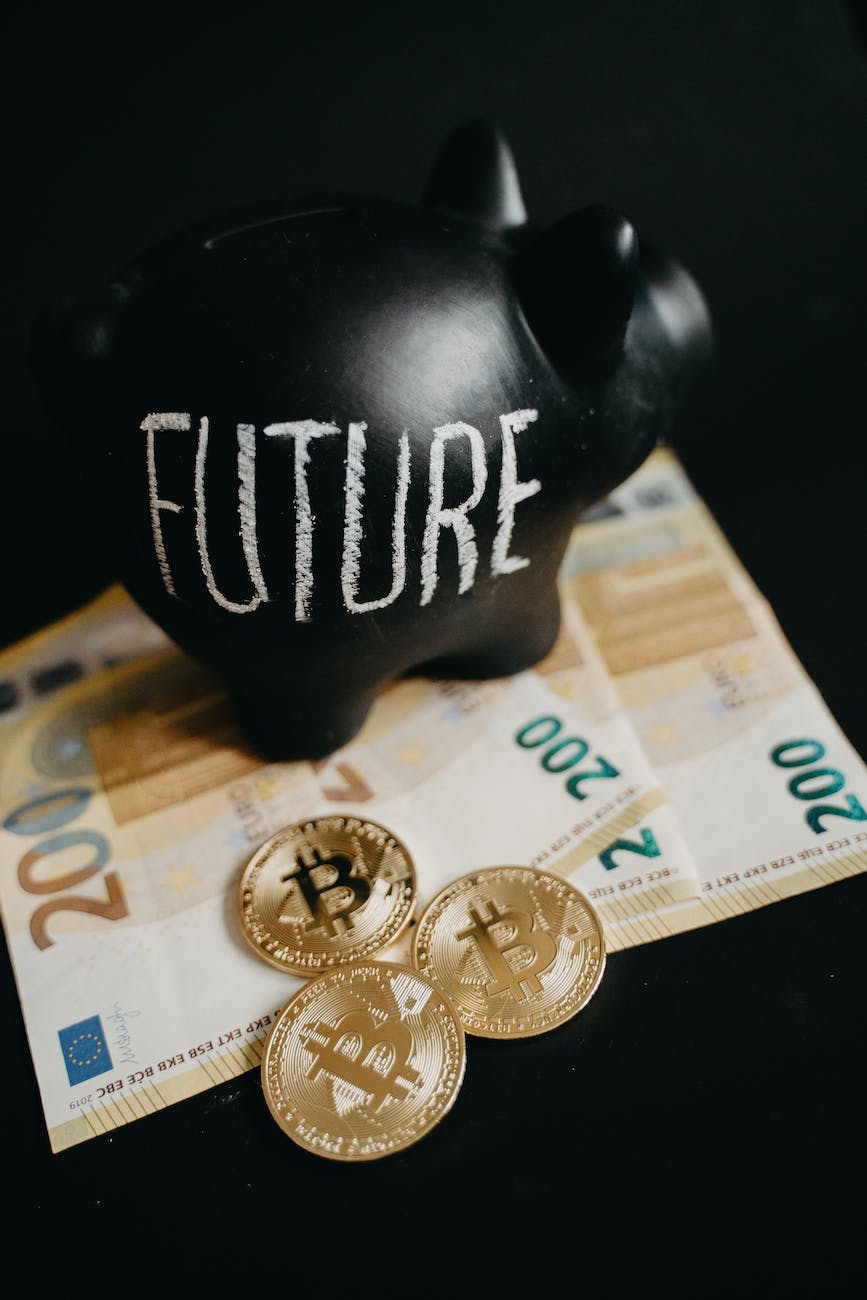
Photo by Moose Photos on Pexels.com

The year 2023 has been marked by both challenges and opportunities for the Bitcoin market, reflecting the dynamic nature of the cryptocurrency space. As the flagship digital currency, Bitcoin has continued to capture attention from investors, institutions, and the broader public, playing a pivotal role in shaping the evolving landscape of decentralized finance.

Price Volatility: Bitcoin, known for its price volatility, has experienced fluctuations throughout 2023. Market sentiment has been influenced by a myriad of factors, including regulatory developments, macroeconomic trends, and technological advancements. The price has shown resilience amid uncertainties but has also faced periodic corrections, underscoring the inherent risk in the crypto market.

Bitcoin has doubled its price height of about $21,000 in 2022 to close the 2023 season at above $40,000. While some people point at the forthcoming halving coming up in April 2024, other events have played significant roles in the leading crypto price surge.

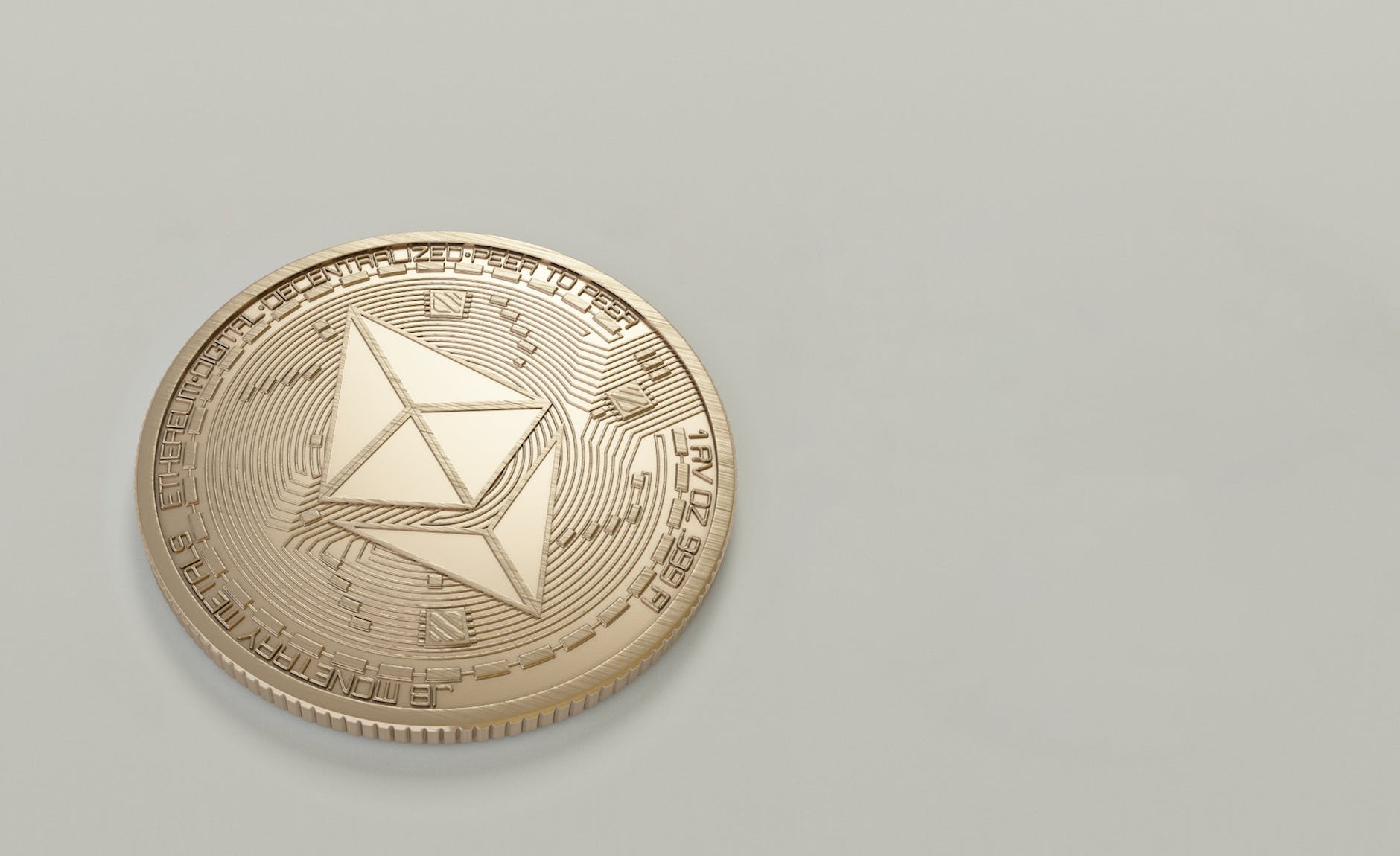
Photo by Tima Miroshnichenko on Pexels.com

The Trends for The Year

Institutional Adoption: One of the defining trends of 2023 has been the accelerated institutional adoption of Bitcoin. Major financial institutions and corporations have continued to express interest in incorporating Bitcoin into their portfolios. This growing acceptance has contributed to a more mature market, providing a degree of stability and legitimacy to the digital asset.

Regulatory Developments: Regulatory clarity remains a significant driver of market sentiment. Countries around the world have been working on establishing regulatory frameworks for cryptocurrencies, with some embracing the technology while others adopt a more cautious approach. Regulatory developments have had a dual impact, at times fostering confidence and, in other instances, leading to short-term market volatility as participants adjust to new guidelines.

Technological Innovations: Advancements in blockchain technology and layer-two solutions have played a crucial role in shaping the Bitcoin market in 2023. Layer-two scaling solutions, such as the Lightning Network, have aimed to address scalability issues, enhancing the speed and efficiency of Bitcoin transactions. These innovations have contributed to a more robust infrastructure, fostering broader adoption and use cases for Bitcoin.

Global Economic Factors: The global economic landscape has also influenced the trajectory of Bitcoin. Economic uncertainties, inflation concerns, and currency devaluation in some regions have prompted individuals and institutions to explore Bitcoin as a store of value and a hedge against traditional financial risks. This narrative has become increasingly prominent, especially in times of economic turbulence.

Environmental Concerns: Environmental considerations regarding the energy consumption of Bitcoin mining have persisted in 2023. The industry has responded with increased focus on sustainable mining practices and the exploration of alternative consensus mechanisms. The ongoing debate about the environmental impact of Bitcoin remains a significant aspect of discussions within the cryptocurrency community.

Read Also: Is There A Future For Stablecoins?

Is The Price Surge Sustainable?

The sustainability of a price increase in Bitcoin, or any other asset, depends on various factors including market demand, investor sentiment, macroeconomic conditions, regulatory developments, and technological advancements.

Bitcoin has reached the significant price  of  $43,000 in December 2023, although several factors would need to be considered to assess its sustainability.

First, it’s important to evaluate the reasons behind the price increase. If the surge is driven by increased adoption, positive regulatory developments, or growing institutional interest, it could potentially contribute to a more sustainable uptrend.

On the other hand, if the price rise is mainly speculative, driven by market hype or excessive leverage, it may be more susceptible to corrections. Cryptocurrency markets are known for their volatility, and rapid price movements can be followed by equally swift corrections.

Market sentiment plays a crucial role in the sustainability of price levels. Positive sentiment, supported by favorable news and developments, can attract more investors and sustain an upward trend. Conversely, negative sentiment or unexpected events can trigger sell-offs and lead to a decline in prices.

Regulatory factors also play a significant role. Clear regulatory frameworks can provide a sense of security to investors and contribute to the sustainability of a price level. Conversely, regulatory uncertainties or unfavorable developments may lead to increased volatility and downward pressure on prices.

Looking Ahead

In conclusion, the sustainability of Bitcoin topping  the $44,000 mark  in 2024 would depend on a complex interplay of various factors. A holistic analysis considering market fundamentals, investor sentiment, regulatory landscape, and broader economic conditions is essential to make informed predictions about the potential longevity of such price levels.

It’s also crucial for investors to exercise caution, conduct thorough research, and stay updated on market dynamics to navigate the inherent risks associated with cryptocurrency investments.

Recommended: 9 Reasons To Invest In Index Funds in 2023 and Beyond

HOW RIPPLE XRP BOUNCED BACK FROM SECURITIES AND EXCHANGE COMMISSION’S LITIGATION IN AUGUST 2023

XRP won the court case against it by SEC. So far, the market price of XRP has seen a 80 percent leap that has brought resounding cheers to the market.

Photo by Towfiqu barbhuiya on Pexels.com

The SEC VS Ripple XRP Court Case

XRP recently recorded a favorable court ruling against the U.S. Securities and Exchange Commission (SEC). This decision was highly anticipated by many in the crypto community as it could have major implications for how digital assets are regulated in America going forward.

The issue at stake is whether XRP should be classified as a security under U.S law, which would require it to comply with federal securities regulations like other stocks and bonds do.

The SEC harped on the sales of billions of tokens to investors over several years by XRP to investors, thereby contravening the securities’ act. On its part Ripple maintained that since XRP has been used primarily for payments rather than investments then it should not be subject to SEC regulation as a security but instead treated more like currency or commodities such as gold and oil.

Ultimately Judge Sarah Netburn ruled in favor of Ripple stating that “there is no reason why [XRPs] economic reality must align with [the SECs] definition” thus allowing them some breathing room from strict regulatory oversight while still being able to operate legally within US borders.

While this ruling may seem small now, it could potentially set precedent for future cases involving cryptocurrencies across America if similar decisions are made down the line by other courts when faced with similar questions regarding asset classification.

Who is Judge Netburn?

Judge Sarah Netburn is a United States District Judge who was assigned to preside over the ongoing Securities and Exchange Commission (SEC) vs Ripple (XRP) case. Her role is to oversee the legal proceedings and make a final judgment based on the evidence presented by both parties.

SEC’s Case Against Ripple XRP

In the ongoing XRP case, the SEC (U.S. Securities and Exchange Commission) has accused Ripple, the company behind XRP, of conducting an unregistered securities offering worth $1.3 billion. The SEC alleges that Ripple’s sale of XRP tokens constitutes an investment contract and therefore should have been registered with the agency.

The SEC also claims that Ripple’s executives, including CEO Brad Garlinghouse and co-founder Chris Larsen, personally profited from the sale of XRP. Ripple has denied the allegations and argues that XRP is a currency rather than a security. The case is currently being heard in court, with Judge Sarah Netburn presiding over the proceedings.

How Ripple Defended its Stance

Ripple’s defense in the XRP case is that XRP is not a security but rather a currency or digital asset. Ripple argues that XRP is not an investment contract and therefore not subject to the same regulations as securities.

Ripple also claims that the SEC did not provide clear guidance on the status of XRP as a security for many years, leading to confusion in the market. Additionally, Ripple claims that the SEC’s actions have caused harm to XRP holders and the market. The trial Judge has ruled in favor of XRP and SEC has now moved on to appeal the case.

Recommended: The Price Volatility of Bitcoin and Cryptocurrencies Explained

Ripple XRP Sees a new Price Rally

XRP price leapt by 80 percent in the wake of the recent court case against it by SEC. With the case outcome considered to be favorable by the market, the crypto looks set for a new high. Whether this will be sustained, is a different ballgame altogether.  

Factors that can drive a rice rally includes the following:

Market Sentiment: Positive news, developments, partnerships, or regulatory clarity can significantly influence market sentiment, leading to increased demand for a cryptocurrency.

Adoption and Use Cases: Increased adoption and real-world use cases can boost the value of a cryptocurrency. If XRP gains traction as a preferred means of cross-border payments and other financial services, its price could rise.

Technological Developments: Advances in the technology behind a cryptocurrency can enhance its utility and security, attracting more investors and users.

Market Speculation: Speculative trading can lead to rapid price increases. Traders looking to profit from short-term price movements can create volatility in the market.

Macroeconomic Factors: Economic events, such as inflation concerns, currency devaluation, or geopolitical tensions, can drive investors toward cryptocurrencies as alternative assets.

Impact of Price Rallies

The effect of a price rally on the prospects of a cryptocurrency like XRP depends on various factors:

Positive Effects: A price rally can attract more attention, new investors, and increased adoption. It can also validate the utility of the cryptocurrency’s technology and use cases.

Negative Effects: Rapid price increases can also lead to concerns about market manipulation, excessive speculation, and a potential bubble. If the rally is not supported by fundamental improvements in technology and adoption, it could lead to a sharp price correction.

Regulatory Impact: Some price rallies might prompt regulatory scrutiny, especially if the rally appears disconnected from the actual utility of the cryptocurrency. Regulatory actions could impact the cryptocurrency’s prospects.

Long-Term Viability: For sustainable growth, a cryptocurrency’s price should ideally be supported by its real-world use cases, technological advancements, and a strong community. Price volatility without underlying substance could hinder long-term prospects.

TAKEWAYS

Keep in mind that the cryptocurrency market is highly speculative and can be influenced by a wide range of factors. To understand the specific factors leading the new XRP price rally and its potential implications, it’s best to refer to the most current and credible sources of information, as a series of events are still unfolding.

Read Also: How Flare’s Smart Contract Possibilities is Giving XRP A New Marketplace Leap

Here Are The Biggest Five Financial Market Events So far in 2023

Financial markets are shaped by non -market and market events. IN the half-year 2023, here are the events that have made the most impact.

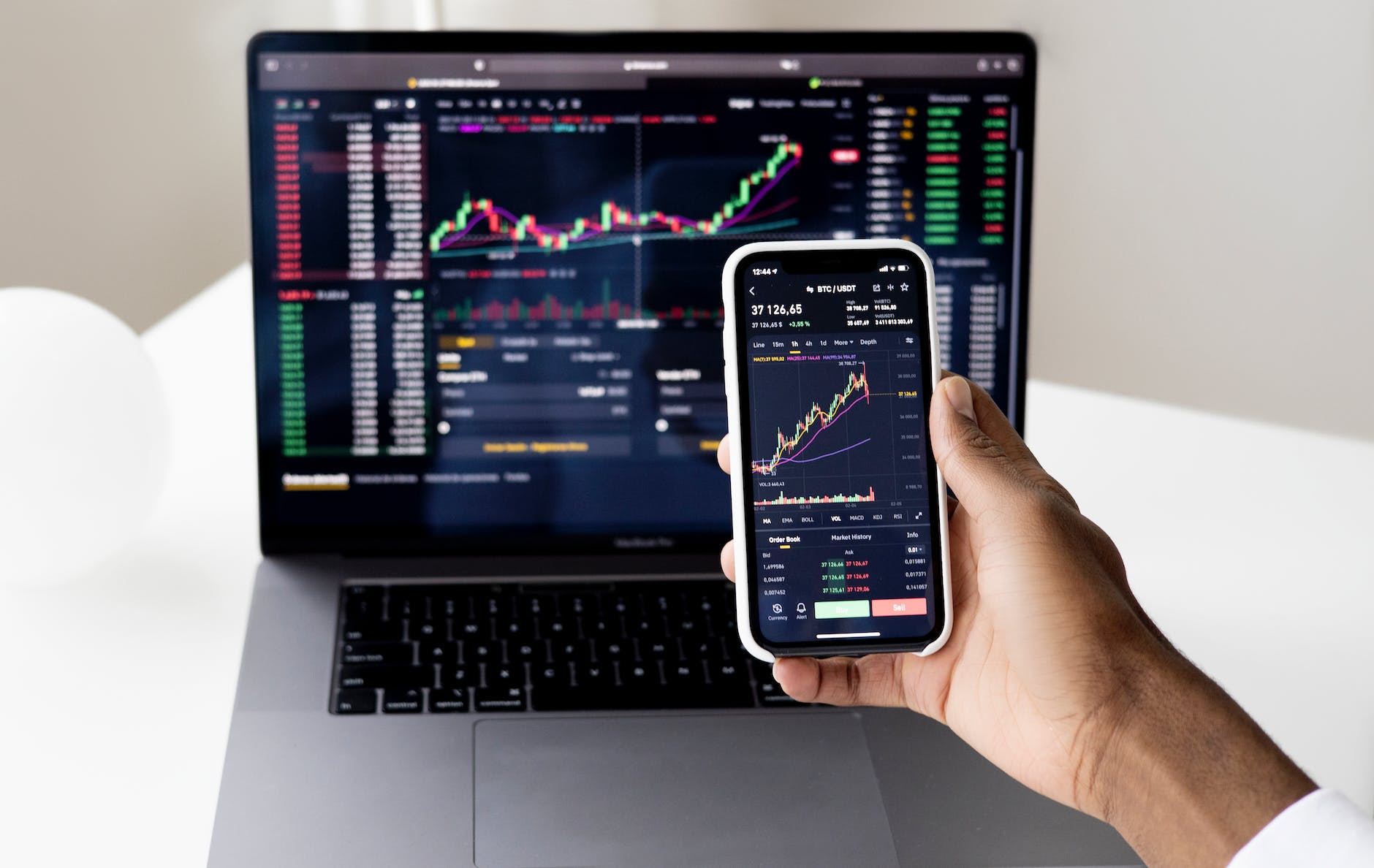
Photo by Anna Nekrashevich on Pexels.com

The year 2023 has so far been marked by significant financial events that have reshaped the global economy and left a lasting impact on various sectors. From technological advancements to geopolitical shifts, these events have shaped financial markets and influenced investment strategies worldwide.

In this article, we will explore the five biggest financial events of 2023, highlighting their significance and implications.

Read Also: 9 Reasons To Invest In Index Funds in 2023 and Beyond
Shaping The Market

Non-market events can have a significant impact on financial markets for several reasons. Non-market events such as political developments, natural disasters, or geopolitical tensions can create uncertainty and instability. Financial markets thrive on stability and predictability, so when unexpected events occur, investors may react by selling off assets or hedging their positions, leading to increased market volatility.

Moreover, non-market events can also prompt changes in government policies, regulations, or monetary decisions, which can directly impact financial markets. For instance, changes in interest rates, fiscal policies, or trade agreements can influence borrowing costs, consumption patterns, and profitability, thus affecting asset prices and market behavior.

In the half-year 2023, these are the events that have shaped the market remarkably as we head into the third quarter.:

1.The Unending Rise of Cryptocurrencies

Perhaps the most notable financial event of 2023 has been the continued rise of cryptocurrencies. Led by Bitcoin, Ethereum, and other major digital assets, cryptocurrencies have gained mainstream acceptance and adoption.

Several countries have implemented regulatory frameworks to provide clarity and security for investors, contributing to increased institutional participation.

The market capitalization of cryptocurrencies reached new highs, with institutional investors and corporations integrating digital assets into their portfolios. This surge in popularity has raised questions about the future of traditional banking and the potential for decentralized finance to disrupt established financial systems.

2. Economic Recovery Post-Pandemic

The period under review has so far witnessed a significant rebound in the global economy following the severe disruptions caused by the COVID-19 pandemic.

Vaccination campaigns and fiscal stimulus measures adopted by various governments accelerated the recovery process. Industries such as travel, hospitality, and entertainment, which were hit hard by the pandemic, experienced a resurgence as restrictions eased.

Stock markets reached record levels as investor confidence returned, and corporate earnings rebounded. However, concerns about inflation and supply chain disruptions emerged, posing challenges to the sustainability of the recovery.

3. Green Transition and Sustainable Investing

The push for sustainability and climate action gained substantial momentum in 2023. Governments and businesses worldwide made ambitious commitments to reduce carbon emissions and transition to renewable energy sources. As a result, sustainable investing gained significant traction, with investors increasingly considering environmental, social, and governance (ESG) factors in their decision-making.

Renewable energy stocks and green bonds attracted substantial investment, and companies faced increasing pressure to disclose their environmental impact and align with sustainable practices. This shift towards a greener economy brought new opportunities for investors and compelled industries to adapt to a changing landscape.

4.Geopolitical Developments

Geopolitical events have played a crucial role in shaping the financial landscape of 2023. Trade tensions between major economies, such as the United States and China, continued to impact global markets.

Governments pursued protectionist policies, resulting in trade disputes and the imposition of tariffs. The Brexit process reached its conclusion, with the United Kingdom officially severing its ties with the European Union. This separation brought economic and financial implications for both parties, affecting trade relations and financial markets.

Geopolitical developments created uncertainties and volatility, requiring investors to carefully assess risks and diversify their portfolios.

5. Technological Advancements

Technological innovations and advancements significantly influenced the financial sector in 2023. The emergence of artificial intelligence (AI), blockchain technology, and decentralized finance (DeFi) reshaped traditional banking and financial services. AI-powered algorithms and robo-advisors gained popularity, providing personalized financial recommendations to individuals.

Blockchain technology disrupted sectors such as supply chain management, logistics, and digital identities, offering transparency, security, and efficiency.

DeFi platforms enabled peer-to-peer lending, decentralized exchanges, and yield farming, revolutionizing traditional financial intermediation. These technological advancements opened new avenues for investment and posed challenges to traditional financial institutions.

Conclusion

The year 2023 has been characterized by several significant financial events that have impacted global markets and investment strategies. The rise of cryptocurrencies, the economic recovery post-pandemic, the green transition and sustainable investing, geopolitical developments, and technological advancements have been the five most prominent events.

Each of these events has introduced new dynamics, presenting opportunities and challenges for investors, businesses, and governments. Understanding and adapting to these changes will be crucial for navigating the financial landscape as the year progresses.

Recommended: Why Cryptocurrency Markets Are Looking Very Much Like Stock Markets In 2023

Is There a Future for Stablecoins?

Stablecons have the dual utility of cryptocurrencies and safety provided by fiat currencies. The ease of digital usage is a remarkable bright spot.

Photo by Alesia Kozik on Pexels.com

Stablecoins are a type of cryptocurrency that are designed to maintain a stable value relative to another asset, such as a fiat currency like the US dollar or a commodity like gold.

There are several types of stablecoins, including those that are backed by reserves of the underlying asset, those that are backed by a basket of assets, and those that use algorithms to maintain a stable value.

The Argument for Stablecoins

The primary reason for the development of stablecoins is to address the issue of volatility that is inherent in many cryptocurrencies. Unlike fiat currencies, which are backed by a central government and maintain a relatively stable value, cryptocurrencies are decentralized and subject to market forces that can cause their values to fluctuate rapidly.

Stablecoins are designed to provide the benefits of cryptocurrencies, such as fast and cheap cross-border transactions and increased privacy, while also addressing the issue of volatility. They achieve this by pegging their value to another asset, such as a fiat currency or a commodity like gold, thereby maintaining a stable value relative to that asset.

Stablecoins can be particularly useful for individuals and businesses looking to transact in cryptocurrencies but who are concerned about the volatility of other cryptocurrencies. If a business wants to accept cryptocurrency payments but doesn’t want to be exposed to the risk of a sudden drop in value, they could choose to accept payments in a stablecoin with a fiat currency peg.

Stablecoins can also be useful for individuals in countries with unstable currencies who are looking for a more stable store of value. By using stablecoins, these individuals can protect themselves against the inflation and currency fluctuations that can occur in their local currency. It is important to note the following:

-Overall, stablecoins provide a way for individuals and businesses to transact in cryptocurrencies while minimizing the risk of volatility

-Stablecoins have gained popularity in recent years, as they provide a way for cryptocurrency users to hedge against the volatility of other cryptocurrencies.

-They also offer a way for individuals and businesses to transact in cryptocurrencies without being exposed to the same level of risk.

Read Also: How Cryptocurrencies Finds Relevance in Islamic Banking

Regulation and Stablecoins


Regulatory actions can potentially pose a threat to stablecoins, as they may create uncertainty and reduce the level of trust in these cryptocurrencies. Stablecoins, like other cryptocurrencies, exist in a relatively unregulated space, which can make them vulnerable to regulatory action by governments and financial institutions. Also, the risk of nefarious usage still looms large.

Governments and financial institutions may therefore seek to regulate stablecoins to prevent these types of activities. For example, they may require stablecoin issuers to comply with anti-money laundering (AML) and know-your-customer (KYC) regulations, or they may restrict the use of stablecoins in certain jurisdictions.

Notably, stablecoins that are pegged to a fiat currency may be subject to regulations governing the issuance and exchange of that currency. This could potentially limit the ability of stablecoin issuers to operate in certain jurisdictions or restrict the types of assets that can be used to back the stablecoin.

However, it is important to note that regulatory actions may not necessarily be a threat to stablecoins in the long term. In fact, some level of regulation may increase trust and adoption of stablecoins by providing a clear legal framework and reducing the risk of fraudulent activities.

Moreover, some stablecoin issuers have already taken steps to comply with AML/KYC regulations and other regulatory requirements to operate in a compliant manner.

Recommended: How NFTs and Cryptocurrencies Are Making Inroads Globally

Outlook

In terms of their future, it is likely that stablecoins will continue to play a significant role in the cryptocurrency market. As the adoption of cryptocurrencies grows, there will be an increasing demand for stablecoins as a means of transacting in a stable currency.

Stablecoins offer several advantages over traditional fiat currencies, such as faster settlement times and lower transaction fees. This could make them an attractive option for businesses and individuals looking to transact across borders or in regions with unstable currencies.

The regulatory landscape surrounding stablecoins is still developing, and there are concerns around the potential for stablecoins to be used for money laundering and other illicit activities. It remains to be seen how regulators will address these concerns and what impact this will have on the future of stablecoins.

In summary, regulatory actions may pose a short-term threat to stablecoins, but in the long term, they may help to increase the level of trust and adoption of these cryptocurrencies.

Also Read: Why Cryptocurrency Markets Are Looking Very Much Like Stock Markets In 2023

All the Reasons Why the ETH Merge Could Be a Big Deal

The ETH merge is expected to help the blockchain transition from PoW to PoS protocol. Here are all the insights you need to know in this guide.

Photo by Moose Photos on Pexels.com

Content

  1. What is the ETH merge?
  2. Why is the ETH merge important?
  3. What are the differences between Proof of Work and Proof of Stake?
  4. Will ETH fees reduce after the merge?
  5. Will Ethereum transaction speed improve?
  6. Will ETH price increase?
  7. I have ETH, what must I do after the merge?
  8. Can I be among the ETH stakeholders that approve or disapprove a block?
  9. Conclusion

Many ground-breaking developments happen in the crypto space now and then, but the proposed ETH merge may be the most revolutionary idea anyone can witness in the crypto industry.

Do you know about the ETH merge or the possibilities it brings to the blockchain world? This article will show why the ETH merge could be a big deal.


What is the ETH merge?


Before this move, speculated to hold around September 15 this year, Ethereum processed transactions using the power-expending PoW (Proof of Work) algorithm. However, the merge will see Ethereum fully transition from the Bitcoin-pioneered PoW algorithm to the PoS (Proof of Stake) algorithm.

Interestingly, Ethereum had proposed the PoS network (called the Beacon Chain) in 2020, but the team didn’t process transactions with the network. Instead, it was a staging area preparing the Ethereum ecosystem for a PoS network upgrade.

Read Also: What Is An NFT Auction? Here Are The Vital Insights


Why is the ETH merge important?


Crypto critics often come against the industry, making claims about its volatility and extreme power consumption. While the issue of volatility may need readdressing, the inflated rate of crypto power consumption is undeniable.

With the merge, crypto energy consumption will drastically reduce up to 99 percent. Moreover, this development will positively influence the energy sector, our physical environment, and the fees included in crypto transactions.


What are the differences between the PoS (Proof of Stake) and the (Proof of Work) algorithm?


The proof-of-work algorithm is the pilot method for verifying blocks in a blockchain transaction. And so, the earliest cryptocurrencies like Bitcoin and Ethereum use the PoW algorithm.


The PoW algorithm consumes large amounts of energy when processing a block. The reason for the enormous power consumption is the amount of work needed to solve complex computational or mathematical questions.


After a complex math question is solved, the block is verified, and the miner gets more tokens as a reward. On the other hand, the PoS algorithm does not rely on solving complex computational puzzles to mint coins. Instead, computers on the blockchain with the highest stakes determine whether a block is verified.


On the Ethereum blockchain, stakeholders with $50,000+ worth of ETH can participate in verifying blocks, resulting in a massive reduction of the typical computational energy required to verify blocks.


Will ETH transaction fees reduce after the merge
?


Ethereum transaction fees will remain the same, primarily because the payments do not depend on the Ethereum mainnet. Other third-party platforms have lower ETH processing fees, Arbitrum and Optimism. These platforms process ETH transactions away from the Ethereum mainnet.

With the introduction of network updates – danksharding and proto-danksharding – the Ethereum network may see a significant slash in transaction fees. However, that’s a development we may not see until 2023.


Will Ethereum transaction speed increase because of the merge?


Unfortunately, the transaction speed will only increase by a fraction after the merge. With the PoW algorithm, blocks take 13-14 seconds to process. But the merge promises 12 seconds per transaction, which is relatively insignificant.


Will ETH prices go up after the merge?


Nobody can say for sure whether ETH prices will rise or fall. The merge comes with many uncertainties that make it difficult to predict the price. A significant uncertainty is the security of the PoS system in contrast with the PoW algorithm.


However, the massive energy reduction and the change in how ether is distributed are likely positive trends that can significantly increase the price of Ethereum.


I have ETH; what must I do after the merge?

Ethereum users don’t have to do anything after the merge, as it won’t affect their holdings. The significant change the merge brings is in how the blocks are verified, which has nothing to do with existing users.


Can I be among the ETH stakeholders that approve or disapprove of a block?


Any user with ETH holdings worth $50,000 or more can participate in the PoS governance protocol. Although, your holdings won’t guarantee that you must verify the block, as the system chooses the node with the highest stake.


Conclusion

The ETH merge is revolutionary for the Ethereum blockchain and our physical environment. But more than that, it might just be the move that changes how people perceive blockchain and cryptocurrencies.

Read Also: How Yield Farming Works With MoonSwap