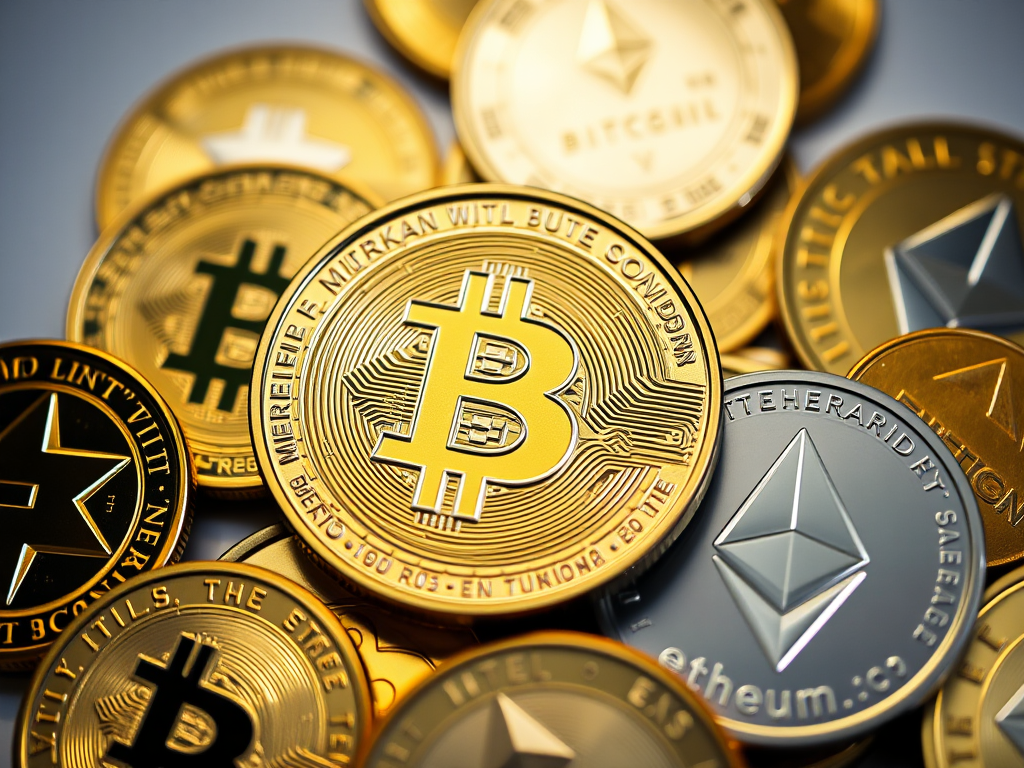
Here is How The Cryptocurrency Landscape Has Evolved So Far In 2025

As Q1 2025 draws to a close, the cryptocurrency landscape reflects a transformative year marked by institutional adoption, regulatory progress, technological innovation, and unprecedented market growth.

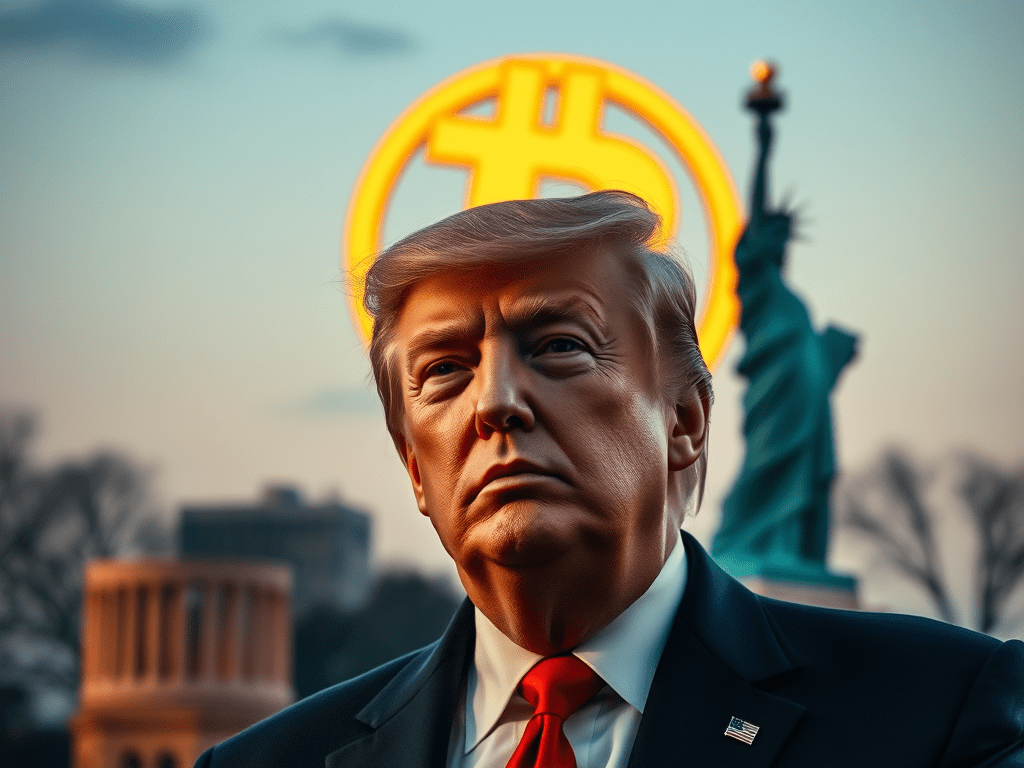
Bitcoin ETF approvals in 2024 laid the groundwork for 2025’s institutional surge, with firms like BlackRock and Fidelity expanding crypto offerings. The global crypto market cap reached $2.86 trillion by March 2025, driven by Bitcoin’s rise to $94,164 and Ethereum’s climb to $2,516 following geopolitical catalysts like Donald Trump’s U.S. cryptocurrency reserve announcement.

Tokenization emerged as a transformative force, projected to unlock $16 trillion in illiquid assets by 2030, with real estate and art leading adoption. Central Bank Digital Currencies (CBDCs) advanced globally, with over 130 nations exploring integration into payment systems

 Below is an analysis of key developments shaping this evolving ecosystem:

Market Growth and Institutional Adoption

The cryptocurrency market has surged, with the global valuation projected to reach $5 billion by 2030 (CAGR of 15.4%) from $2.1 billion in 2024. Bitcoin and Ethereum remain dominant, but smaller-cap cryptocurrencies are gaining traction as institutional investors diversify portfolios. The approval of Bitcoin and Ethereum spot ETFs in 2024 laid the groundwork for broader acceptance, with traditional finance increasingly integrating digital assets.

South Africa has emerged as a key adoption hub, driven by regulatory clarity and accessibility. Payment giants and banks are developing blockchain-based solutions, while central banks explore central bank digital currencies (CBDCs) to compete with decentralized assets.

Regulatory Frameworks and Compliance

Governments worldwide are prioritizing regulatory clarity to balance innovation with investor protection. South Africa’s new exchange control regulations aim to integrate crypto into its financial system, while the U.S. is expected to finalize a comprehensive framework to address market volatility and security concerns.

Tax guidelines for crypto transactions and income

Cross-border policy implications, as nations like El Salvador embrace Bitcoin as legal tender, while others like China enforce strict bans.

Blockchain and Scalability

Ethereum’s Pectra upgrade and Bitcoin’s Lightning Network aim to address scalability and energy efficiency. Layer-2 solutions and proof-of-stake (PoS) consensus mechanisms are reducing transaction costs and environmental impact.

AI and Blockchain Convergence

Artificial intelligence is enhancing smart contracts, network security, and decentralized data marketplaces. For example, AI-driven systems enable users to monetize data while retaining control, bridging sectors like finance and healthcare.

Tokenization and NFTs

Tokenization of assets (e.g., real estate, art) continues to expand, while non-fungible tokens (NFTs) drive digital ownership in gaming and the metaverse.

Market Dynamics and Challenges

Volatility and Speculation

Despite institutional interest, price fluctuations remain a hurdle. Bitcoin’s rise toward $100,000 in 2024 highlights volatility, influenced by speculative trading, macroeconomic events (e.g., inflation), and social media trends.

Scalability and Sustainability

Proof-of-work blockchains  like Bitcoin face criticism for energy consumption, though advancements in PoS and layer-2 solutions are mitigating these issues.

Token Proliferation

Over 37 million crypto tokens exist as of March 2025, with projections reaching 100 million by year-end. While many are experimental or speculative, legitimate projects in DeFi, gaming, and supply chain management underscore blockchain’s versatility.

Emerging Trends and Innovations

Stablecoins and DeFi

Stablecoins are reducing volatility, enabling seamless cross-border payments. DeFi platforms, though facing regulatory scrutiny, continue to disrupt traditional banking by offering decentralized lending and borrowing.

Gaming and Metaverse

Cryptocurrencies like EarthMeta and Polkadot are integrating blockchain into virtual worlds, enhancing in-game economies and interoperability.

Digital Wallets and Accessibility

User-friendly wallets and payment solutions are democratizing crypto access, particularly in regions with underdeveloped banking infrastructure.

Outlook for 2025 and Beyond

As March 2025 concludes, the crypto landscape is maturing into a hybrid ecosystem blending decentralized innovation with regulatory oversight. While challenges like volatility and energy consumption persist, advancements in AI, blockchain scalability, and institutional adoption signal a future where digital assets are integral to global finance.

Key players like Ethereum, Bitcoin, and Solana will likely dominate, but smaller projects addressing niche use cases (e.g., sustainability, governance) may also thrive. Regulatory clarity and technological breakthroughs will determine whether crypto fulfills its promise of creating a borderless, inclusive economy.

In summary, March 2025 marks a pivotal moment for cryptocurrency—a sector no longer confined to speculative trading but evolving into a transformative force reshaping finance, technology, and global connectivity.

How Telegram’s Ton is Giving Binance and Other CEXs A Big Run For Crypto $$$

Ton (The Open Network) is an innovative blockchain project originally developed by Telegram. It emphasizes scalability, user-friendly interfaces, and privacy. By integrating with Telegram, Ton reduces entry barriers for users. Its community-driven development, strategic partnerships, and educational initiatives foster engagement, positioning Ton as a strong contender in the competitive cryptocurrency market.

Introduction

Ton (The Open Network) is an innovative blockchain project that has garnered significant attention in the cryptocurrency space.

Originally developed by the team behind Telegram, Ton aims to create a decentralized and scalable network that combines the best features of blockchain technology with the user-friendly interface of a messaging app.

In this article, we will explore Ton’s market entry style, its unique selling points, and the winning strategies it has employed thus far.

Market Entry Style

Ton’s market entry style can be characterized by its strategic alignment with existing user bases and its focus on creating a seamless user experience.

The launch of Ton was initially tied to the Telegram messaging platform, which boasts over 500 million active users. This integration allowed Ton to leverage Telegram’s large user base, providing a built-in audience for its blockchain services.

  1. Leveraging Existing Platforms: By integrating with Telegram, Ton positioned itself to attract users who are already familiar with the platform. This approach reduces the barriers to entry for new users, as they can access Ton’s services directly through an app they already use. This strategy is particularly important in the crypto space, where user adoption often hinges on ease of use.
  2. Community-Driven Development: Ton has emphasized community engagement in its development process. The project has been open to feedback and suggestions from its user base, fostering a sense of ownership and involvement among its community members. This approach not only enhances user loyalty but also helps the project adapt to the evolving needs of its audience.
  3. Early Adoption Incentives: To encourage early adoption, Ton implemented various incentives, such as rewards for users who engage with the platform in its initial stages. This strategy not only drives initial interest but also helps build a robust ecosystem around the network, as early adopters often become advocates for the project.

Must-Read; These Are Four of The Most Promising AI Cryptocurrencies in 2024

Unique Selling Points

Ton’s unique selling points set it apart from other blockchain projects and contribute to its appeal in the competitive crypto landscape. Here are some of the key features that differentiate Ton:

  1. High Scalability: One of Ton’s standout features is its ability to handle a high volume of transactions per second. The architecture is designed to enable scalability, allowing it to support millions of users without compromising performance. This scalability is crucial for mass adoption, as it ensures that the network can handle increased demand as more users join.
  2. User-Friendly Experience: Ton prioritizes user experience, making it accessible to both crypto enthusiasts and newcomers. By integrating seamlessly with Telegram, Ton allows users to interact with blockchain technology without needing to navigate complex wallets or interfaces. This simplicity is a significant advantage in attracting users who may be hesitant to engage with traditional cryptocurrencies.
  3. Decentralized Services: Ton is not just a cryptocurrency; it’s a platform for decentralized applications (dApps). This enables developers to build a wide range of services on the network, from finance to gaming and social media. The potential for diverse applications enhances Ton’s utility and appeal, making it more than just a transactional currency.
  4. Privacy Features: In an era where data privacy is increasingly important, Ton incorporates features that prioritize user privacy. By leveraging Telegram’s existing encryption and security protocols, Ton aims to provide a secure environment for transactions and data storage. This focus on privacy resonates with users concerned about data breaches and surveillance.
  5. Interoperability: Ton’s design includes plans for interoperability with other blockchains, allowing it to communicate and transact with various networks. This flexibility can facilitate a broader range of use cases and enhance the overall utility of the platform, as users can interact with other blockchain ecosystems seamlessly.

Recommended: It’s A Watershed Moment With US SEC Approving 11 Bitcoin Spot ETFs

Winning Strategy

Ton’s winning strategy so far has been a combination of innovative technology, strategic partnerships, and community engagement. Here’s a closer look at how these elements have contributed to its success:

  1. Strategic Partnerships: Ton has formed partnerships with various projects and organizations to enhance its ecosystem. Collaborations with established brands provide credibility and help attract users who may be skeptical of newer projects. These partnerships also allow for shared resources and knowledge, accelerating development and adoption.
  2. Focus on Developer Ecosystem: Ton has placed a strong emphasis on fostering a thriving developer community. By providing developer-friendly tools, documentation, and support, Ton encourages the creation of dApps and services on its platform. This focus on developers is crucial for long-term success, as a rich ecosystem of applications can drive user engagement and retention.
  3. Community Engagement and Governance: Ton has implemented mechanisms for community governance, allowing users to have a say in the project’s direction. This approach not only empowers users but also creates a sense of belonging and investment in the network’s success. Engaging the community fosters loyalty and can lead to increased advocacy for the platform.
  4. Educational Initiatives: To combat the knowledge gap in the cryptocurrency space, Ton has invested in educational initiatives aimed at informing users about blockchain technology and its benefits. By providing resources and learning materials, Ton helps demystify the technology and encourages broader participation.
  5. Responsive Development: Ton’s development team has been responsive to user feedback and market trends. By remaining agile and adaptable, Ton can pivot when necessary, addressing issues and implementing features that align with user needs. This responsiveness fosters trust and demonstrates a commitment to the community.

Conclusion

Ton’s journey in the cryptocurrency market has been marked by its strategic market entry, unique selling points, and winning strategies. Ton’s connection to connection to Telegram, helps it to focus on user experience, and foster a vibrant developer community.

Ton has positioned itself as a formidable player in the blockchain space. Its commitment to scalability, privacy, and community engagement highlights its potential for long-term success.

As Ton continues to evolve and expand its offerings, it will be exciting to see how it navigates the challenges of the ever-changing crypto landscape. With its innovative approach and user-centric philosophy, Ton is well on its way to becoming a significant force in the future of decentralized networks.

Read Also: How Bitcoin Sprang Past The $100k Mark to Set A New ATH

How Bitcoin Sprang Past The $100k Mark to Set A New ATH

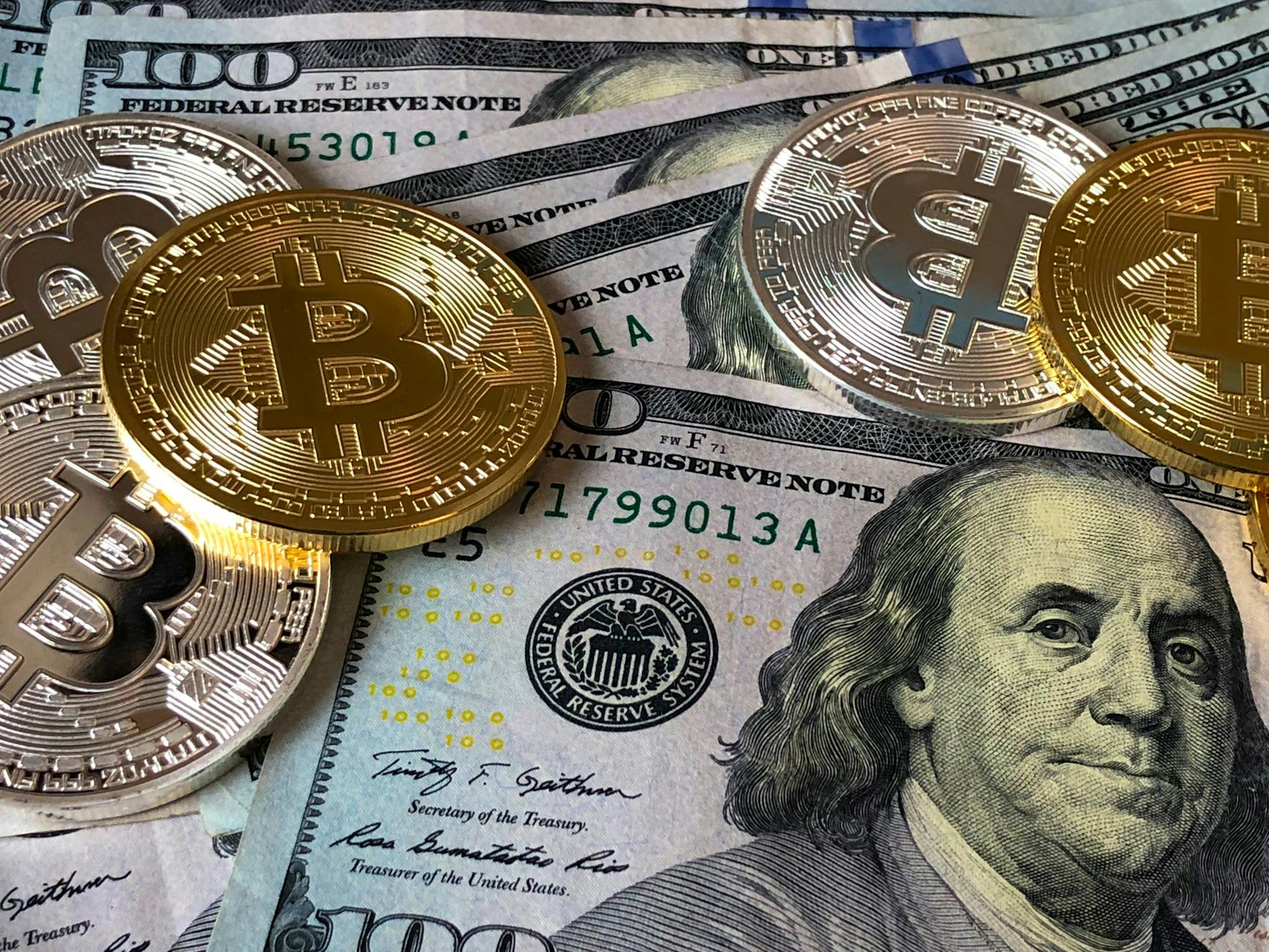
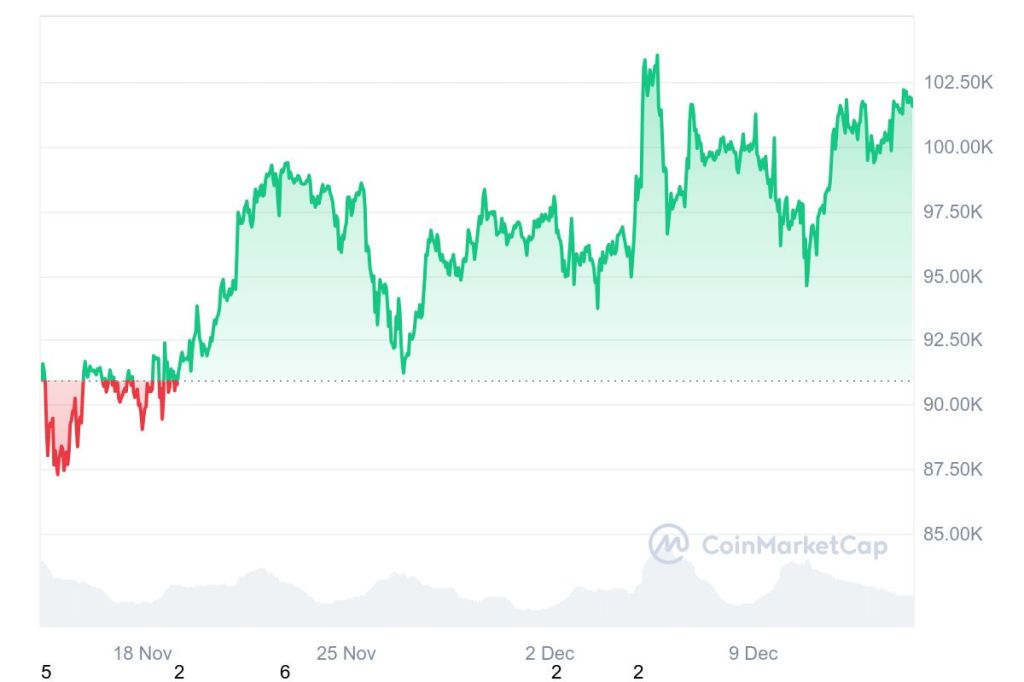
In December 2024, Bitcoin surpassed $100,000 for the first time, driven by strong demand and investor enthusiasm following the U.S. presidential election. Institutional investments and macroeconomic factors, such as concerns about inflation, further fueled this surge. The milestone signals Bitcoin’s growing legitimacy as an asset class and its potential impact on the future of finance.

Photo by David McBee on Pexels.com

Introduction

Bitcoin, the pioneering cryptocurrency, has made headlines once again by surpassing the $100,000 mark for the first time in its history. This milestone, reached in December 2024, marks a significant moment not only for Bitcoin but for the entire cryptocurrency market.

Understanding how Bitcoin achieved this remarkable feat involves examining various factors, including market dynamics, investor sentiment, and broader economic influences.

The Surge to $100,000

The journey to Bitcoin’s $100,000 price point was characterized by a rapid increase in demand and a series of events that fueled investor enthusiasm. One of the most notable catalysts for this surge was the U.S. presidential election, which saw Donald Trump emerge victorious.

DT’s victory sparked a wave of optimism among investors, leading to a significant influx of capital into the cryptocurrency market. In the weeks following the election, Bitcoin’s price soared by more than 30%, reflecting a broader trend of increased interest in digital assets 

The excitement surrounding Bitcoin was not merely a reaction to political events; it was also driven by a growing recognition of Bitcoin as a legitimate asset class.

Over the years, Bitcoin has transitioned from being viewed as a speculative investment to being considered a store of value, akin to gold. This shift in perception has attracted institutional investors, who have begun to allocate a portion of their portfolios to cryptocurrencies, further driving up demand.

Must-Read: Did You Miss Out When Notcoin Launched? Here Are 10 Winning Greenlights You Need

Market Dynamics and Investor Sentiment

As Bitcoin approached the $100,000 milestone, market dynamics played a crucial role in its price movement. The cryptocurrency market is known for its volatility, and Bitcoin’s price history has been marked by significant spikes and corrections. However, the prevailing sentiment during this period was overwhelmingly bullish. Many investors believed that Bitcoin was on the verge of a breakout, leading to a self-fulfilling prophecy where increased buying pressure pushed the price higher 

The psychological aspect of reaching a round number like $100,000 cannot be understated. Such milestones often serve as psychological barriers that traders and investors watch closely.

When Bitcoin finally broke through this level on 5 December 2024, it created a sense of euphoria in the market, encouraging even more buying activity. This phenomenon is common in financial markets, where traders react to significant price levels, often leading to further price increases.

The Role of Institutional Investment

Another critical factor in Bitcoin’s ascent to $100,000 was the increased participation of institutional investors. Over the past few years, major financial institutions and corporations have begun to recognize the potential of Bitcoin as a hedge against inflation and a means of diversifying their investment portfolios.

Companies like MicroStrategy and Tesla have made headlines for their substantial Bitcoin purchases, signaling a shift in how traditional finance views cryptocurrencies.This institutional interest has not only provided a significant boost to Bitcoin’s price but has also contributed to its legitimacy as an asset class.

As more institutions enter the market, they bring with them a level of stability and credibility that can help mitigate some of the volatility traditionally associated with cryptocurrencies. This influx of institutional capital has been a game-changer, allowing Bitcoin to reach new heights.

Global Economic Factors

The broader economic environment also played a significant role in Bitcoin’s price surge. In the wake of the COVID-19 pandemic, many governments around the world implemented aggressive monetary policies, including low interest rates and quantitative easing.

These measures have led to concerns about inflation and currency devaluation, prompting investors to seek alternative assets like Bitcoin.As traditional fiat currencies face uncertainty, Bitcoin has emerged as a potential safe haven.

Bitcoin’s limited supply—capped at 21 million coins—makes it an attractive option for those looking to preserve wealth in an inflationary environment. This narrative has resonated with a growing number of investors, further driving demand and contributing to the price increase.

Conclusion

Bitcoin’s journey past the $100,000 mark is a testament to the evolving landscape of finance and investment. The combination of political events, changing investor sentiment, institutional participation, and global economic factors has created a perfect storm for Bitcoin’s price surge.

As the cryptocurrency continues to gain traction and acceptance, it will be fascinating to see how it evolves and what new milestones it may achieve in the future.In summary, Bitcoin’s rise to $100,000 is not just a reflection of market speculation; it represents a significant shift in how investors view cryptocurrencies.

With increasing legitimacy and a growing base of support, Bitcoin is poised to play a crucial role in the future of finance.

Read Also: Bitcoin Market Summary for 2023: Navigating Volatility and Innovation

These Are Four of The Most Promising AI Cryptocurrencies in 2024

Predicting specific cryptocurrencies that will be bullish in 2024 is highly speculative due to various factors. AI-related cryptocurrencies, such as SingularityNET (AGI), Fetch.ai (FET), Numerai (NMR), and Ocean Protocol (OCEAN), aim to democratize AI, enable autonomous economic agents, incentivize predictive models, and facilitate decentralized data sharing. These projects represent innovative integrations of blockchain, cryptocurrency, and AI technologies, offering promising solutions to industry challenges.

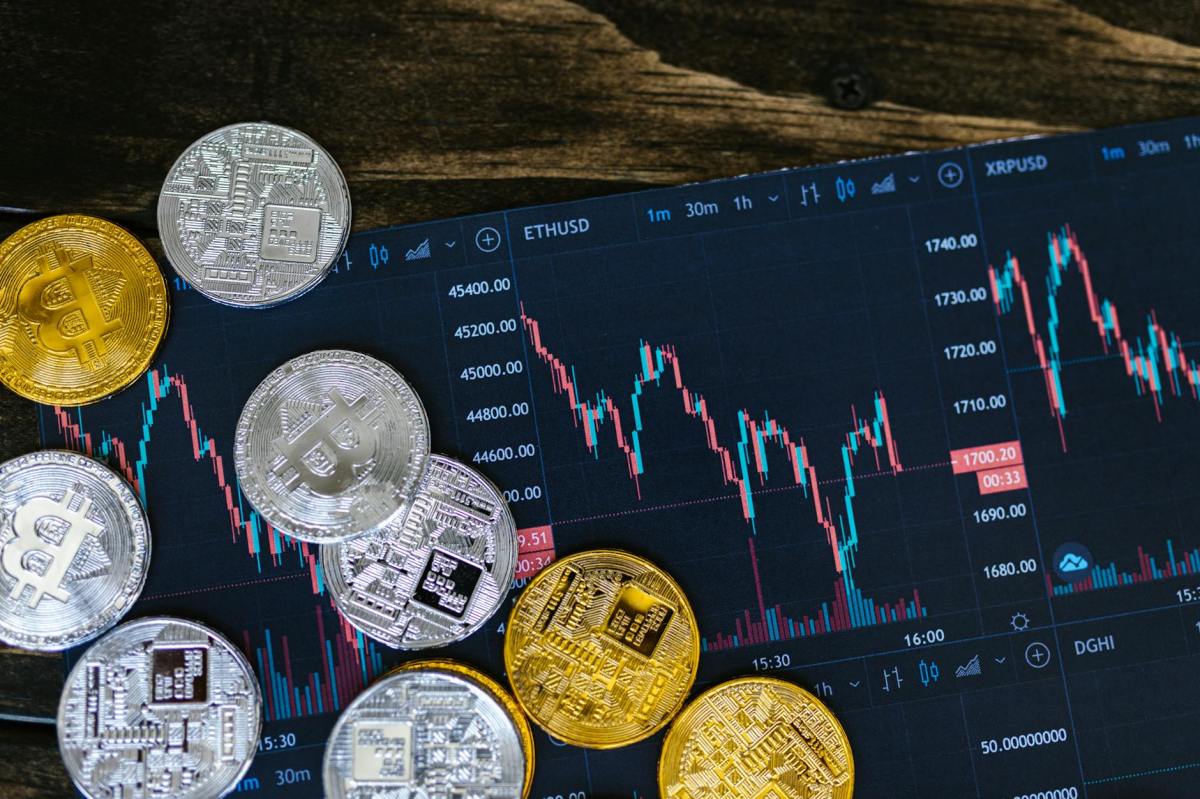
Photo by Negative Space on Pexels.com

2024 has so far started on a bullish note for the cryptocurrency market. For anyone to predict specific cryptocurrencies that will be outstanding in 2024 is highly speculative and subject to numerous variables. You might want to look at technological advancements, market trends, regulatory developments, and investor sentiment.

However, AI-related cryptocurrencies could potentially benefit from increased adoption of artificial intelligence technologies in various industries.

Some AI-related cryptocurrencies and projects that have garnered attention include:

1. Singularity NET (AGI)

SingularityNET is a blockchain-based platform focused on democratizing artificial intelligence (AI) by creating a decentralized marketplace for AI services and algorithms. It aims to facilitate the exchange of AI capabilities and resources among developers, organizations, and AI agents, thus accelerating AI research, development, and deployment.

SingularityNET leverages blockchain technology to ensure transparency, security, and interoperability within the platform. Smart contracts govern transactions and agreements between users, while decentralized storage solutions safeguard data privacy and integrity.

Furthermore, SingularityNET incorporates mechanisms for reputation and trust scoring to enable users to assess the quality and reliability of AI services and providers.

At the core of SingularityNET is its native cryptocurrency, AGI token, which serves as the medium of exchange within the platform. AGI tokens enable users to purchase AI services, contribute algorithms, and receive rewards for their participation in the ecosystem.

Additionally, AGI tokens are used for governance, allowing token holders to participate in decision-making processes related to platform development and upgrades.

By providing a decentralized infrastructure for AI development and collaboration, SingularityNET aims to democratize access to AI technologies, foster innovation, and create a more inclusive and equitable AI ecosystem. It represents a novel approach to harnessing the potential of AI while addressing concerns related to centralization and monopolization in the AI industry.

2. Fetch.ai (FET)


Fetch.ai is a blockchain project aiming to create a decentralized ecosystem for autonomous agents to perform tasks and exchange value efficiently. At its core, Fetch.ai combines blockchain technology with artificial intelligence (AI) to enable autonomous economic agents to interact with each other and with real-world data in a decentralized manner.

The Fetch.ai platform facilitates the creation of autonomous agents that can represent individuals, organizations, or devices. These agents can execute tasks, negotiate contracts, and exchange value autonomously, without the need for intermediaries. This decentralized approach aims to optimize resource allocation, improve efficiency, and enable new forms of economic activity.

Fetch.ai’s architecture is designed to be scalable and flexible, allowing for a wide range of use cases, including supply chain optimization, decentralized finance (DeFi), and Internet of Things (IoT) applications. The project also emphasizes privacy and security, ensuring that sensitive data remains protected throughout interactions.

Overall, Fetch.ai presents a promising vision for a decentralized future where autonomous agents collaborate seamlessly to solve complex problems and create value.

However, like any emerging technology, its success will depend on adoption, scalability, and the ability to address potential challenges and regulatory considerations in the evolving landscape of blockchain and AI integration.

3. Numerai (NMR)

Numerai is a unique blockchain-based project that combines elements of data science, machine learning, and cryptocurrency.

The platform operates as a hedge fund that incentivizes data scientists to develop predictive models using financial data. Participants submit predictions to Numerai, which aggregates and anonymizes them before using them to make trading decisions in global financial markets.

Central to Numerai is its native cryptocurrency, Numerai (NMR). NMR serves multiple purposes within the ecosystem. Firstly, it acts as a reward mechanism for data scientists who contribute accurate predictions to the platform.

Secondly, NMR is staked by data scientists to signal confidence in their models, and successful predictions result in increased holdings of NMR. Lastly, NMR is used for governance, allowing token holders to participate in decision-making processes regarding platform upgrades and changes.

Numerai’s blockchain architecture ensures transparency, security, and decentralization. The platform leverages blockchain technology to manage transactions, distribute rewards, and maintain a record of participants’ contributions securely.

Read Also: It’s A Watershed Moment With US SEC Approving 11 Bitcoin Spot ETFs

By crowdsourcing predictive models from a global community of data scientists and utilizing a blockchain-based infrastructure, Numerai aims to create a more efficient and democratized approach to quantitative finance.

Overall, Numerai represents an innovative integration of blockchain, cryptocurrency, and data science, offering a novel solution to the challenges of traditional financial markets while incentivizing collaboration and rewarding accuracy in predictive modeling.

4. Ocean Protocol (OCEAN

Ocean Protocol is a blockchain-based platform designed to facilitate the sharing, monetization, and consumption of data in a decentralized and privacy-preserving manner. It aims to address the challenges of data silos and data accessibility by creating a decentralized ecosystem where data providers can securely share their data, and consumers can access and purchase it using the native cryptocurrency, Ocean Token (OCEAN).

The protocol utilizes blockchain technology to provide transparency, immutability, and security to data transactions. Smart contracts govern the exchange of data, ensuring that data providers are fairly compensated for their contributions, while consumers can trust the integrity and provenance of the data they access.

Key components of Ocean Protocol include data marketplaces, where users can discover and access datasets, and compute-to-data services, which enable data analytics and processing without exposing the raw data itself.

Additionally, Ocean Protocol incorporates privacy-preserving technologies such as zero-knowledge proofs and federated learning to protect the privacy of sensitive data.

By enabling data sharing and monetization in a decentralized and privacy-preserving manner, Ocean Protocol aims to unlock the value of data, foster innovation, and empower individuals and organizations to leverage data assets more efficiently. It represents a promising solution to the challenges of data ownership, privacy, and accessibility in the digital economy.

Conclusion

These leading AI cryptocurrencies have identifiable use cases and have shown their relevance in the reception that they have enjoyed in the global marketplace. Their respective ROI and price performance looks promising.

Recommended: Crypto Spotlight: Dogecoin vs. dYdX

Bitcoin Market Summary for 2023: Navigating Volatility and Innovation

Bitcoin has witnessed a remarkable 2023 with its price surge drawing attention from global market experts. What is in store n 2024 for the crypto market leader?

Photo by Moose Photos on Pexels.com

The year 2023 has been marked by both challenges and opportunities for the Bitcoin market, reflecting the dynamic nature of the cryptocurrency space. As the flagship digital currency, Bitcoin has continued to capture attention from investors, institutions, and the broader public, playing a pivotal role in shaping the evolving landscape of decentralized finance.

Price Volatility: Bitcoin, known for its price volatility, has experienced fluctuations throughout 2023. Market sentiment has been influenced by a myriad of factors, including regulatory developments, macroeconomic trends, and technological advancements. The price has shown resilience amid uncertainties but has also faced periodic corrections, underscoring the inherent risk in the crypto market.

Bitcoin has doubled its price height of about $21,000 in 2022 to close the 2023 season at above $40,000. While some people point at the forthcoming halving coming up in April 2024, other events have played significant roles in the leading crypto price surge.

Photo by Tima Miroshnichenko on Pexels.com

The Trends for The Year

Institutional Adoption: One of the defining trends of 2023 has been the accelerated institutional adoption of Bitcoin. Major financial institutions and corporations have continued to express interest in incorporating Bitcoin into their portfolios. This growing acceptance has contributed to a more mature market, providing a degree of stability and legitimacy to the digital asset.

Regulatory Developments: Regulatory clarity remains a significant driver of market sentiment. Countries around the world have been working on establishing regulatory frameworks for cryptocurrencies, with some embracing the technology while others adopt a more cautious approach. Regulatory developments have had a dual impact, at times fostering confidence and, in other instances, leading to short-term market volatility as participants adjust to new guidelines.

Technological Innovations: Advancements in blockchain technology and layer-two solutions have played a crucial role in shaping the Bitcoin market in 2023. Layer-two scaling solutions, such as the Lightning Network, have aimed to address scalability issues, enhancing the speed and efficiency of Bitcoin transactions. These innovations have contributed to a more robust infrastructure, fostering broader adoption and use cases for Bitcoin.

Global Economic Factors: The global economic landscape has also influenced the trajectory of Bitcoin. Economic uncertainties, inflation concerns, and currency devaluation in some regions have prompted individuals and institutions to explore Bitcoin as a store of value and a hedge against traditional financial risks. This narrative has become increasingly prominent, especially in times of economic turbulence.

Environmental Concerns: Environmental considerations regarding the energy consumption of Bitcoin mining have persisted in 2023. The industry has responded with increased focus on sustainable mining practices and the exploration of alternative consensus mechanisms. The ongoing debate about the environmental impact of Bitcoin remains a significant aspect of discussions within the cryptocurrency community.

Read Also: Is There A Future For Stablecoins?

Is The Price Surge Sustainable?

The sustainability of a price increase in Bitcoin, or any other asset, depends on various factors including market demand, investor sentiment, macroeconomic conditions, regulatory developments, and technological advancements.

Bitcoin has reached the significant price  of  $43,000 in December 2023, although several factors would need to be considered to assess its sustainability.

First, it’s important to evaluate the reasons behind the price increase. If the surge is driven by increased adoption, positive regulatory developments, or growing institutional interest, it could potentially contribute to a more sustainable uptrend.

On the other hand, if the price rise is mainly speculative, driven by market hype or excessive leverage, it may be more susceptible to corrections. Cryptocurrency markets are known for their volatility, and rapid price movements can be followed by equally swift corrections.

Market sentiment plays a crucial role in the sustainability of price levels. Positive sentiment, supported by favorable news and developments, can attract more investors and sustain an upward trend. Conversely, negative sentiment or unexpected events can trigger sell-offs and lead to a decline in prices.

Regulatory factors also play a significant role. Clear regulatory frameworks can provide a sense of security to investors and contribute to the sustainability of a price level. Conversely, regulatory uncertainties or unfavorable developments may lead to increased volatility and downward pressure on prices.

Looking Ahead

In conclusion, the sustainability of Bitcoin topping  the $44,000 mark  in 2024 would depend on a complex interplay of various factors. A holistic analysis considering market fundamentals, investor sentiment, regulatory landscape, and broader economic conditions is essential to make informed predictions about the potential longevity of such price levels.

It’s also crucial for investors to exercise caution, conduct thorough research, and stay updated on market dynamics to navigate the inherent risks associated with cryptocurrency investments.

Recommended: 9 Reasons To Invest In Index Funds in 2023 and Beyond